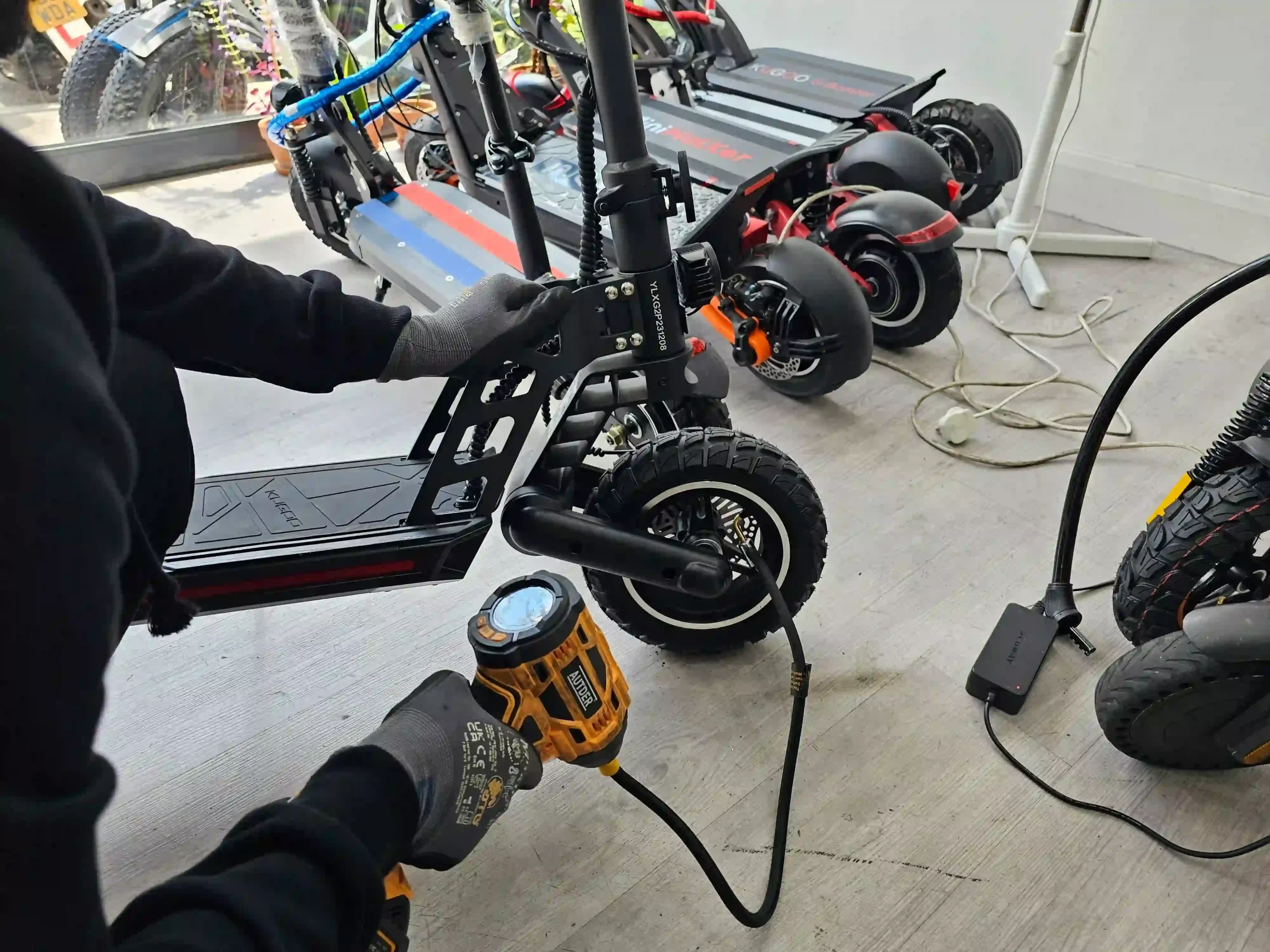
We are conveniently located near central London on the Kilburn High Road. We hold a variety of our stock on display and provide repair and service for any Model, Brand and Type of Electric Scooter and Bike
By adding a motor and a battery to the traditional bicycle frame, manufacturers have completely changed how we approach cycling. You no longer need the leg strength of a professional athlete to enjoy a scenic route with severe elevation changes. A little electrical assistance makes it possible to glide up slopes that would otherwise leave you completely breathless and fatigued.
However, not all models handle elevation equally well. Some are built exclusively for flat city streets, while others are engineered specifically to tackle tough gradients. This guide will walk you through everything you need to know about choosing the perfect model for your local terrain, helping you understand the technical specifications that truly matter.
When you are shopping for electric bikes for hills, you need to look beyond the basic aesthetic appeal and paint job. Several mechanical and electrical factors work together to determine how well a bicycle handles a demanding upward slope. The most critical elements include the motor’s placement, the battery capacity, and the overall gearing system.
Understanding the difference between motor power and torque is absolutely essential for any prospective buyer. Motor power is measured in watts (W) and dictates the top speed the motor can assist you in reaching. In the UK, legal limits restrict standard motors to 250W of continuous power. While wattage is certainly important, it is not the deciding factor for a bicycle’s climbing ability.
The top performers generally fall into a few distinct categories based on their intended use, component quality, and frame geometry.
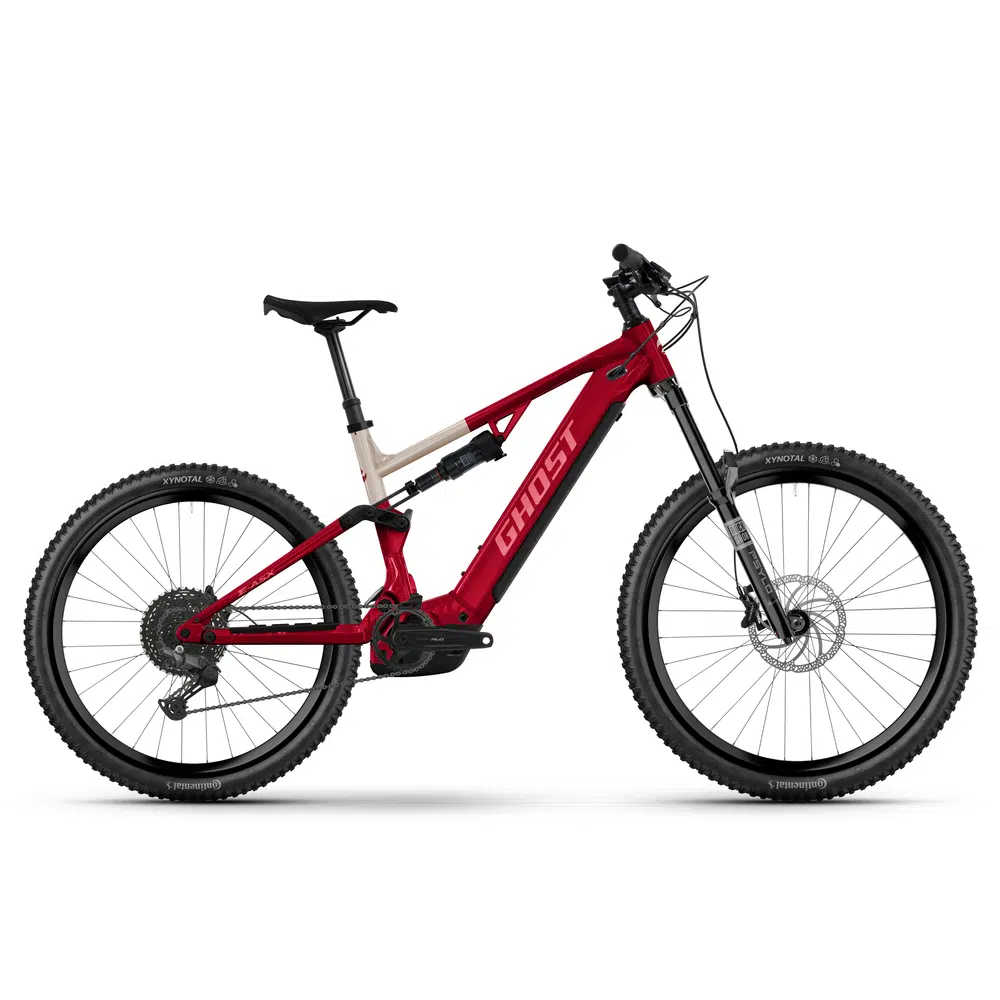
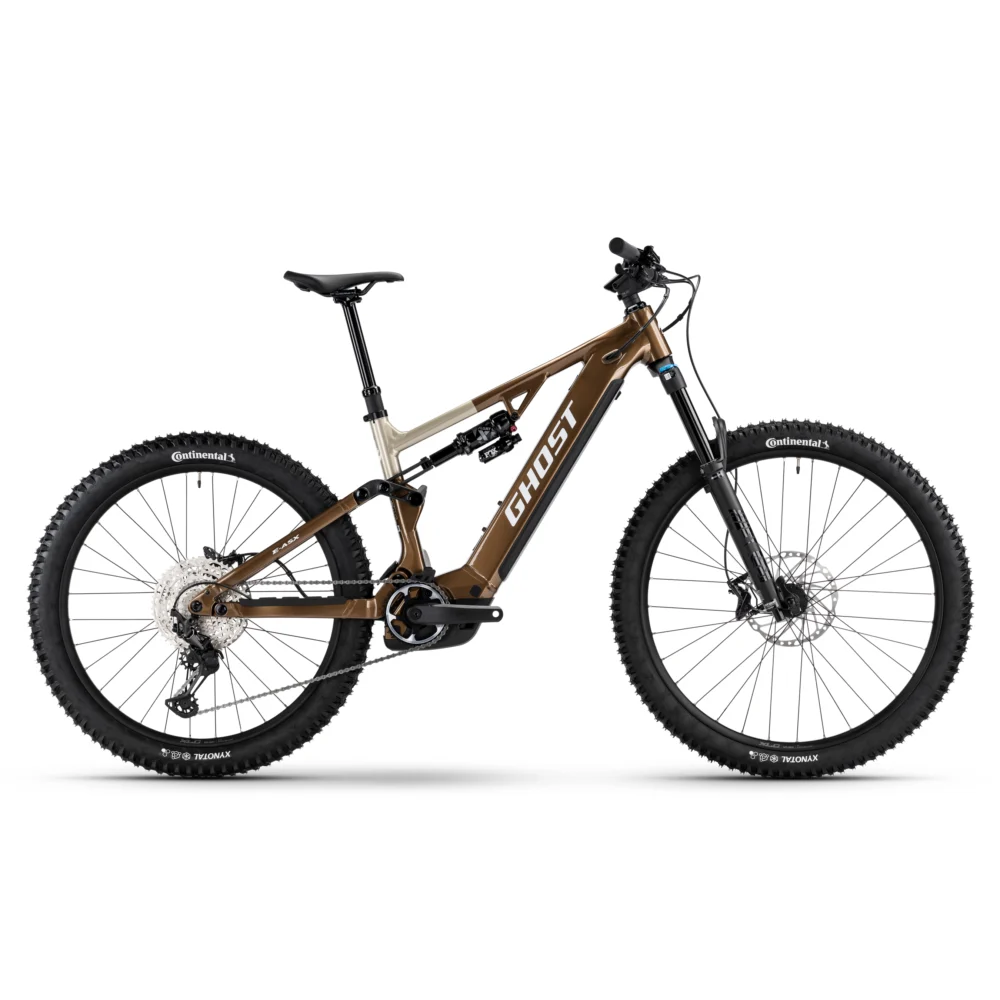
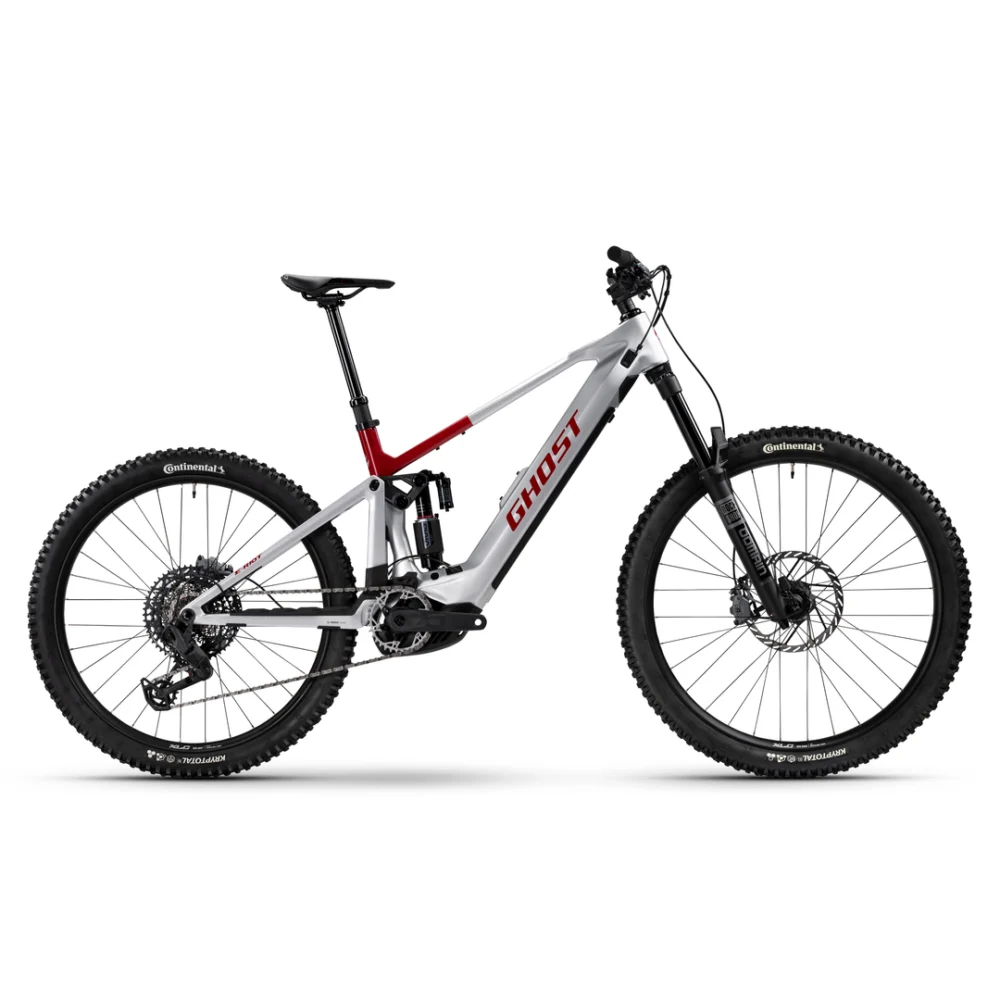
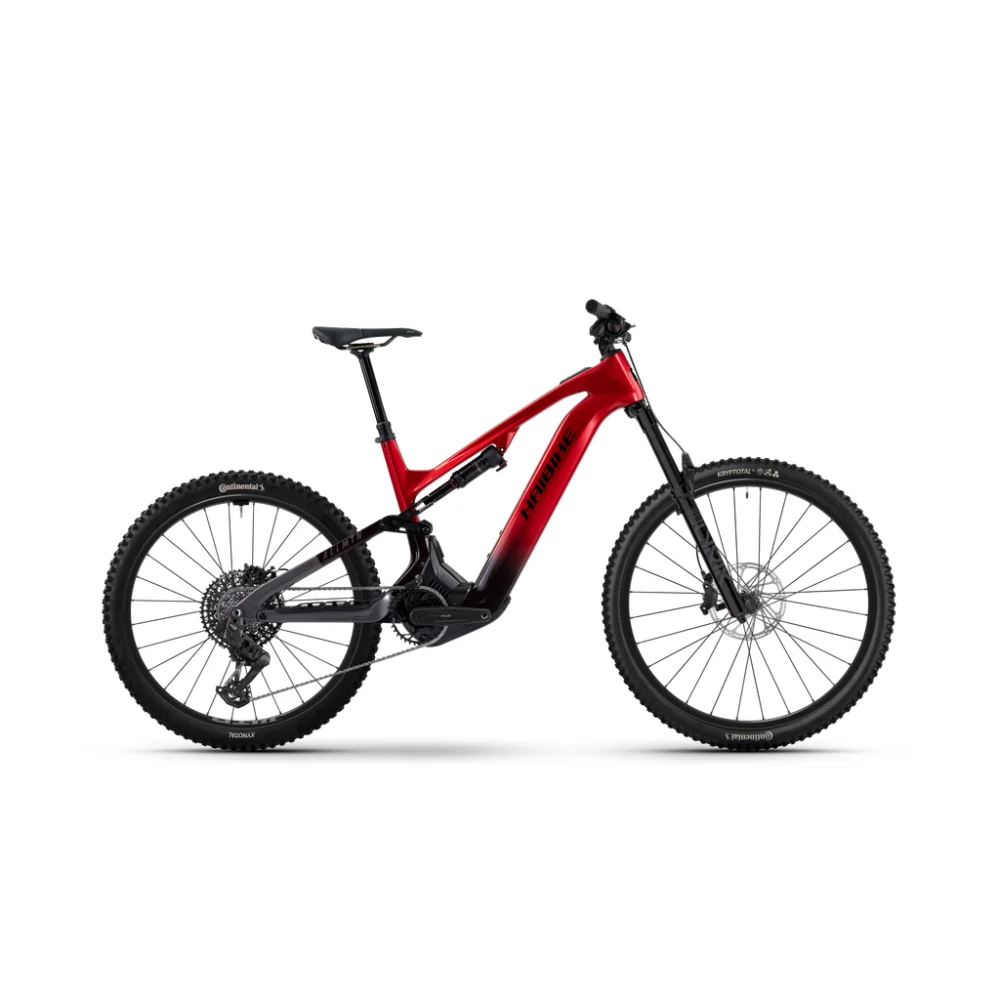
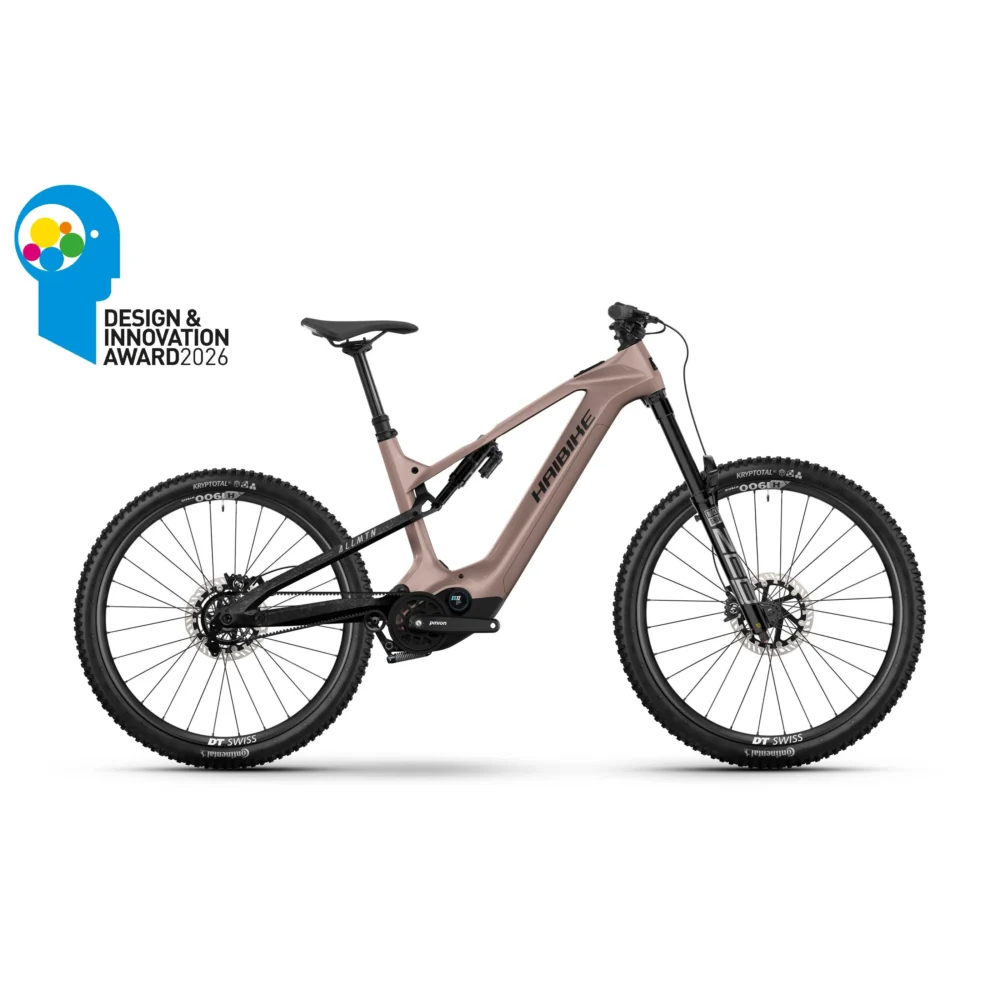
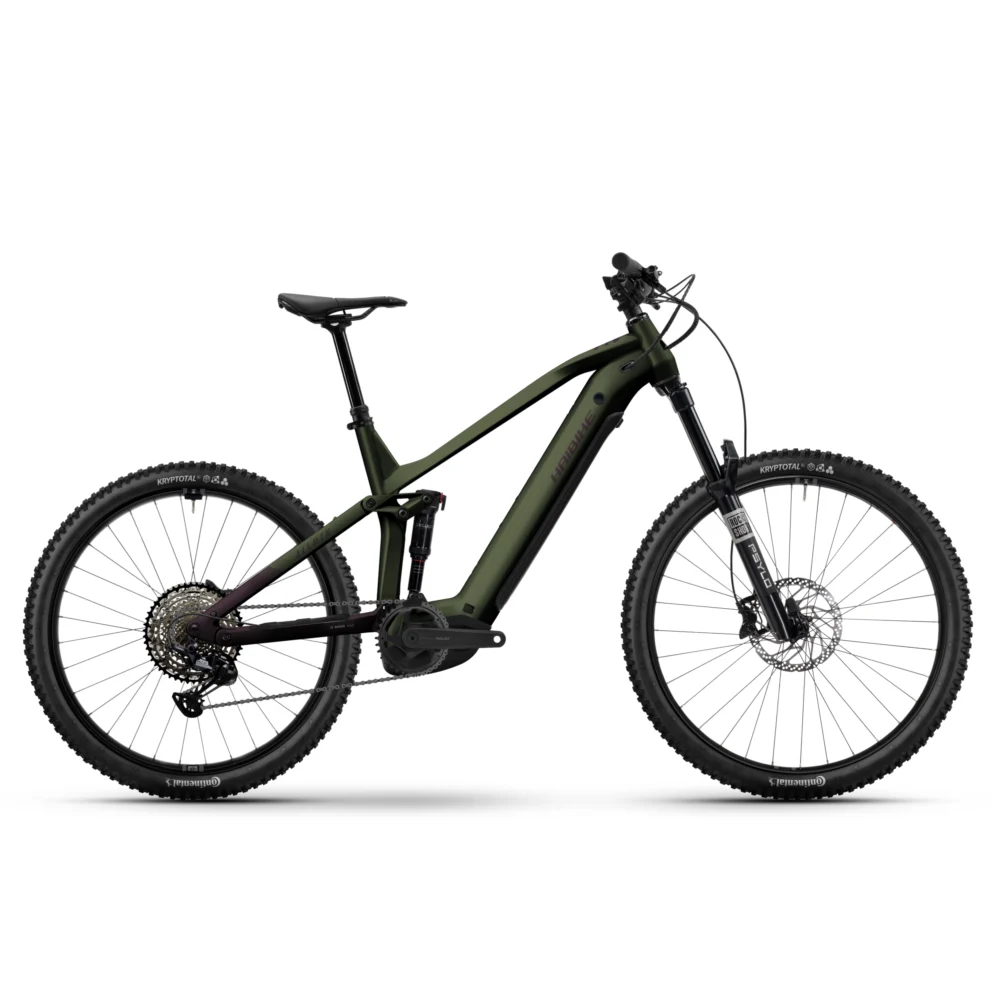
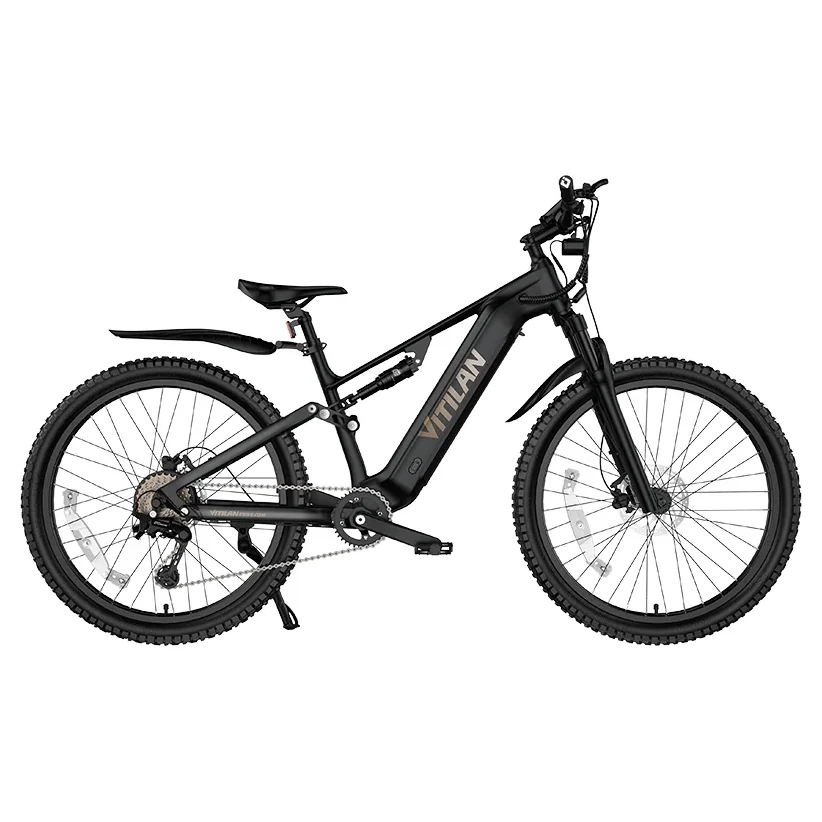
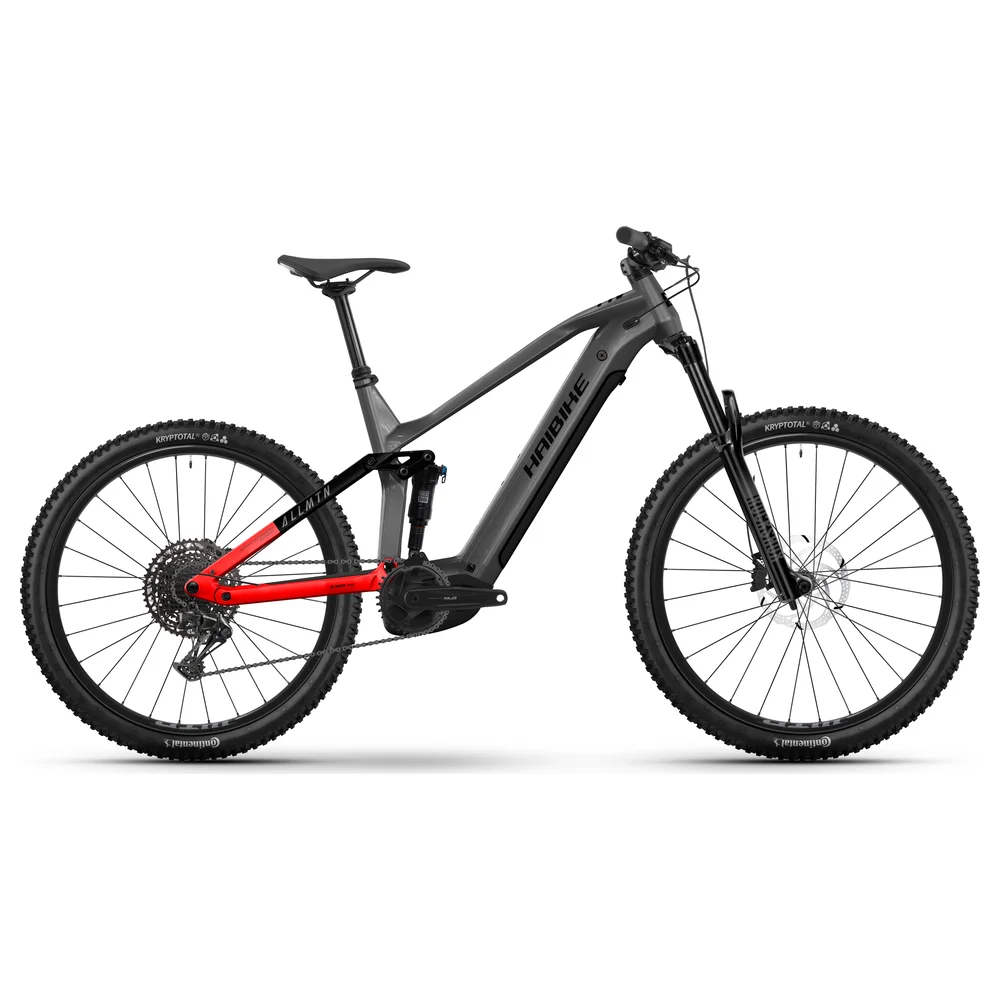
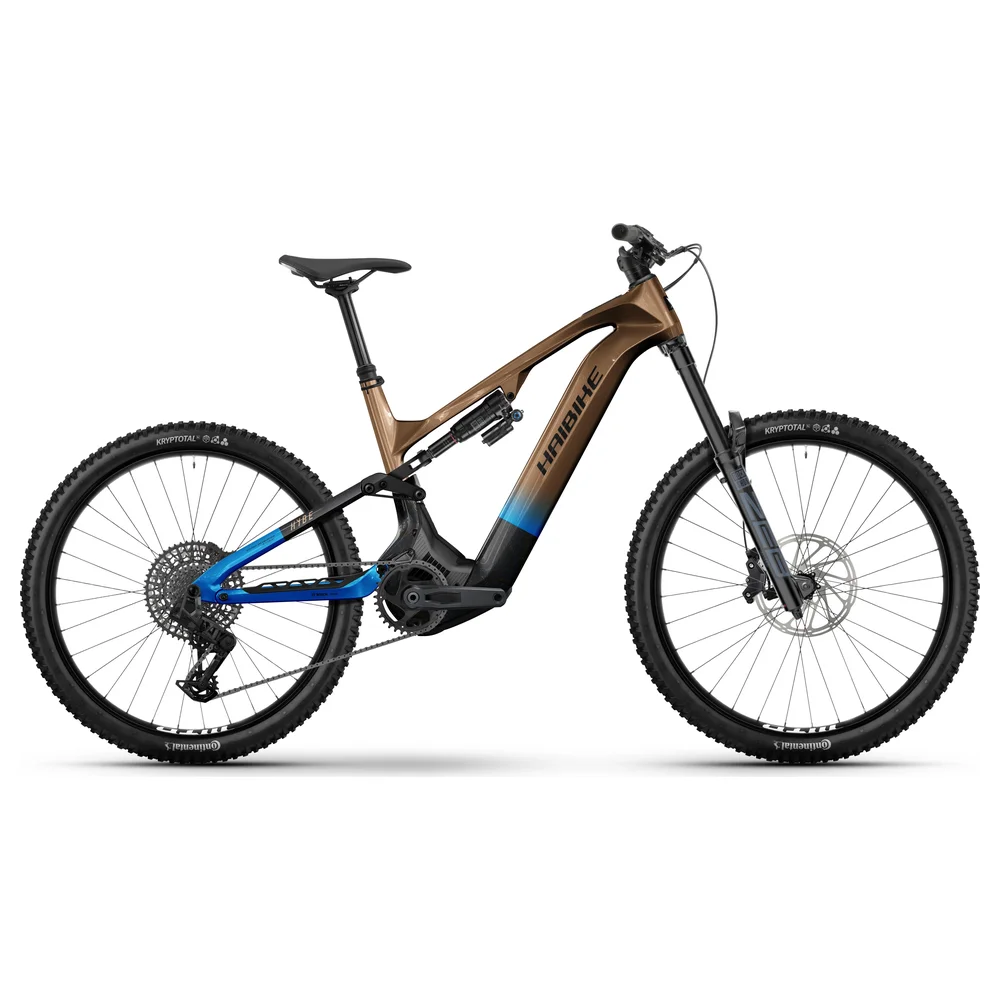
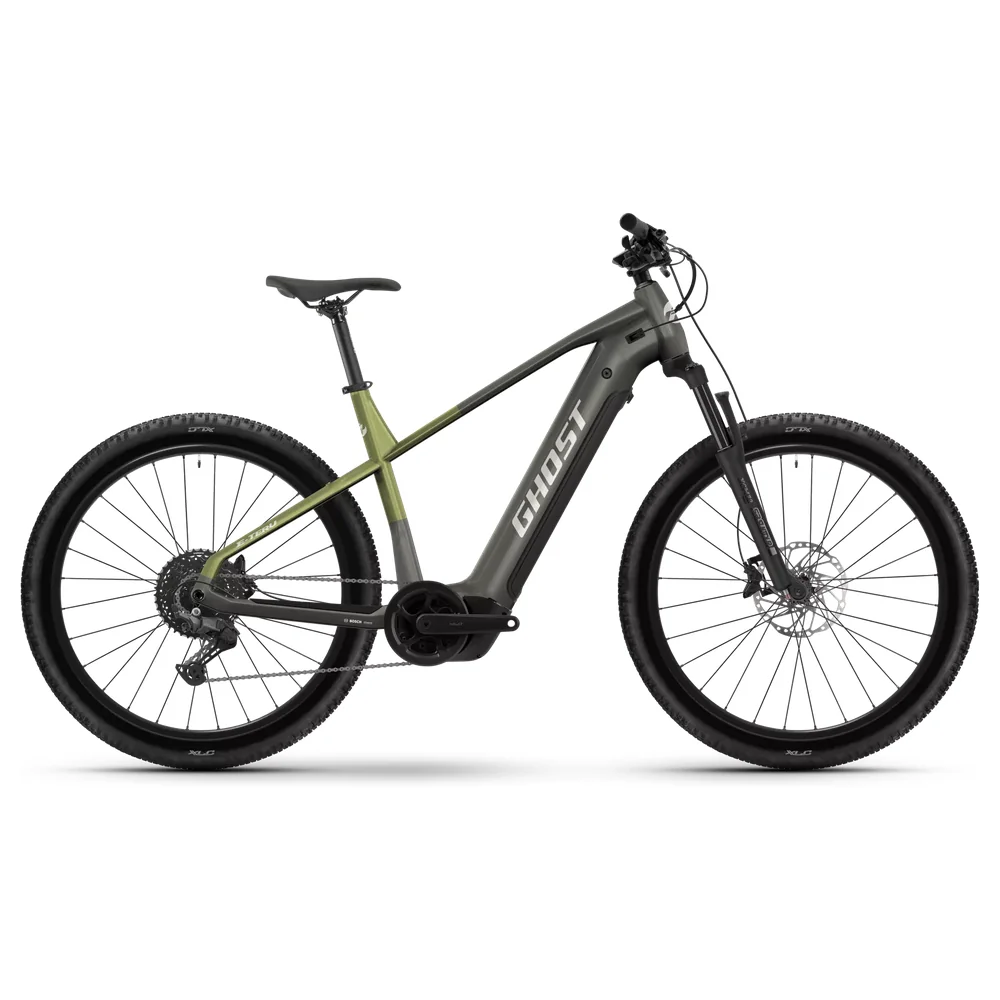
Electric mountain bicycles are often the undisputed champions of elevation. They feature incredibly strong frames, wide tyres for better traction on loose surfaces, and suspension systems that keep the wheels planted firmly on the ground. More importantly, they almost always utilise premium motors that provide the massive low-end grunt required for trail riding and steep dirt paths.
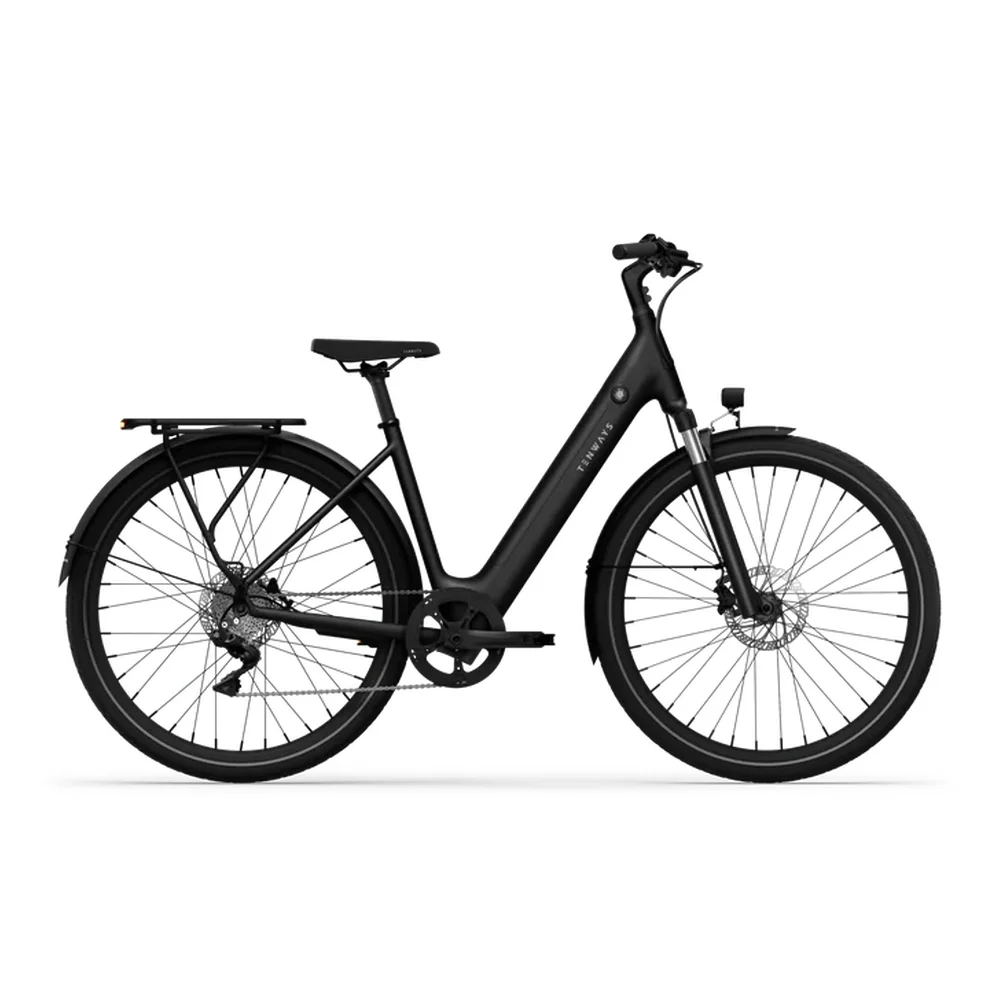
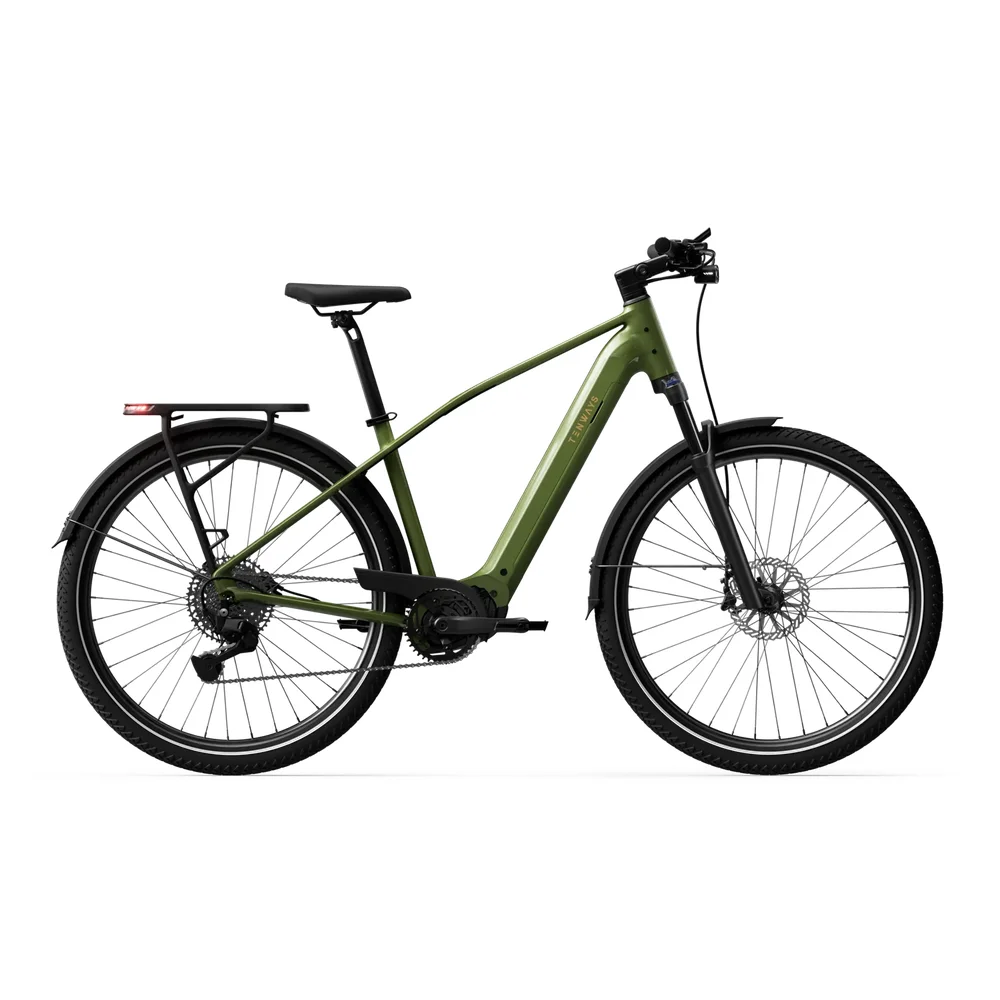
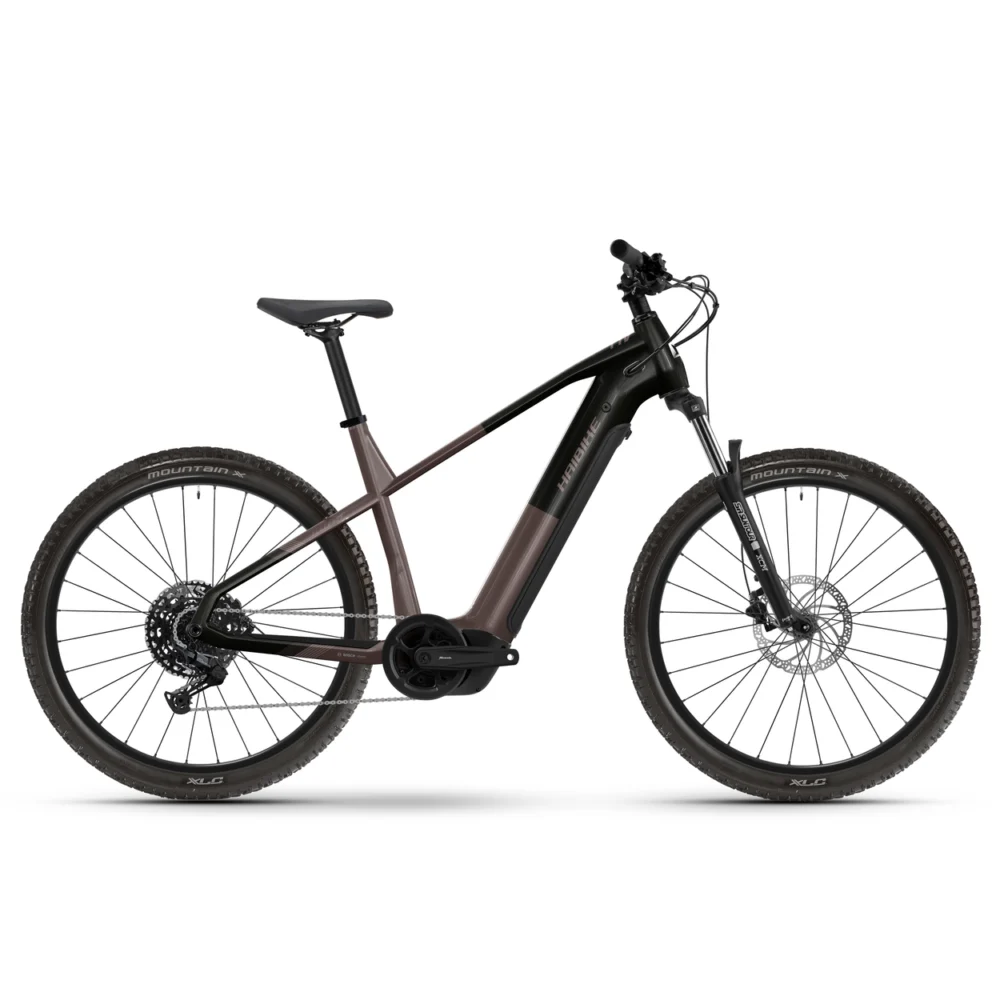
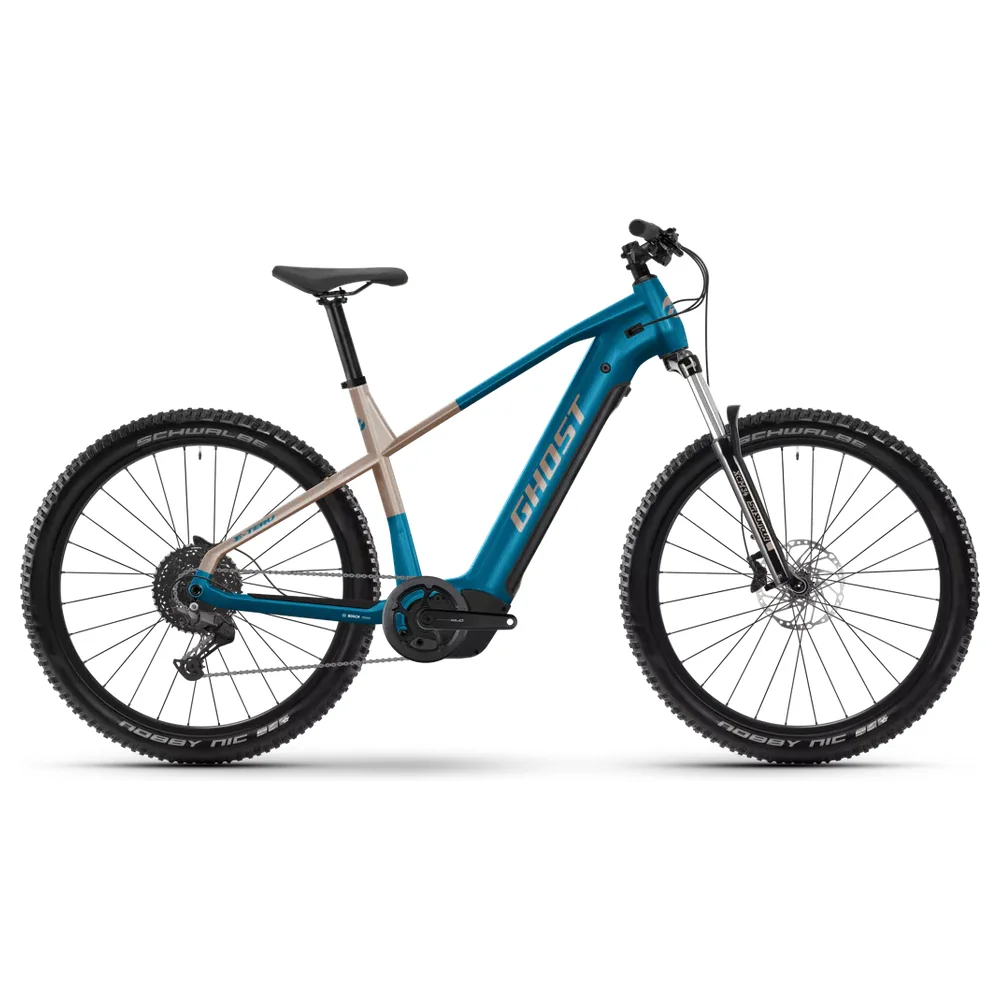
For city riders, hybrid trekking models are a fantastic choice. These are powerful electric bikes that expertly blend the upright comfort of a city commuter with the rugged components of a mountain model. They usually feature moderate-to-high torque outputs and excellent gear ranges. This combination allows you to conquer steep suburban streets and paved pathways without breaking a sweat on your way to the office.
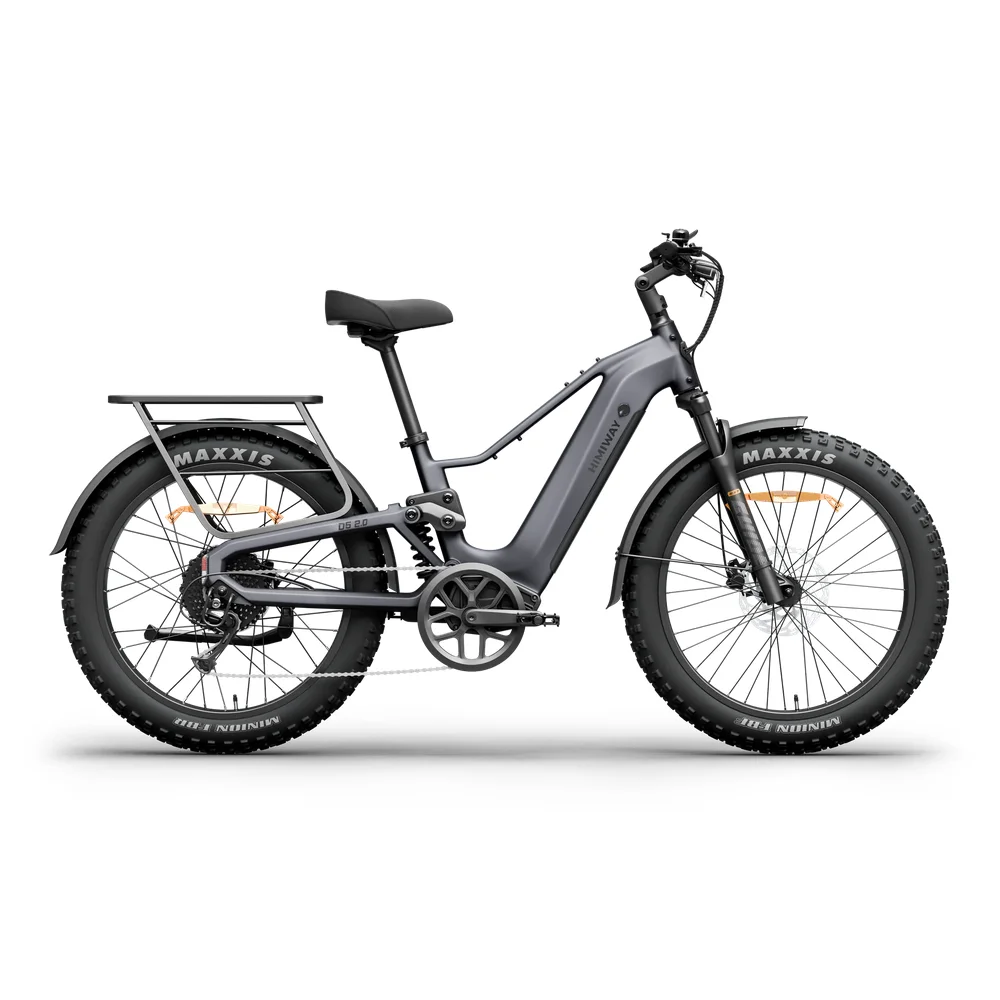
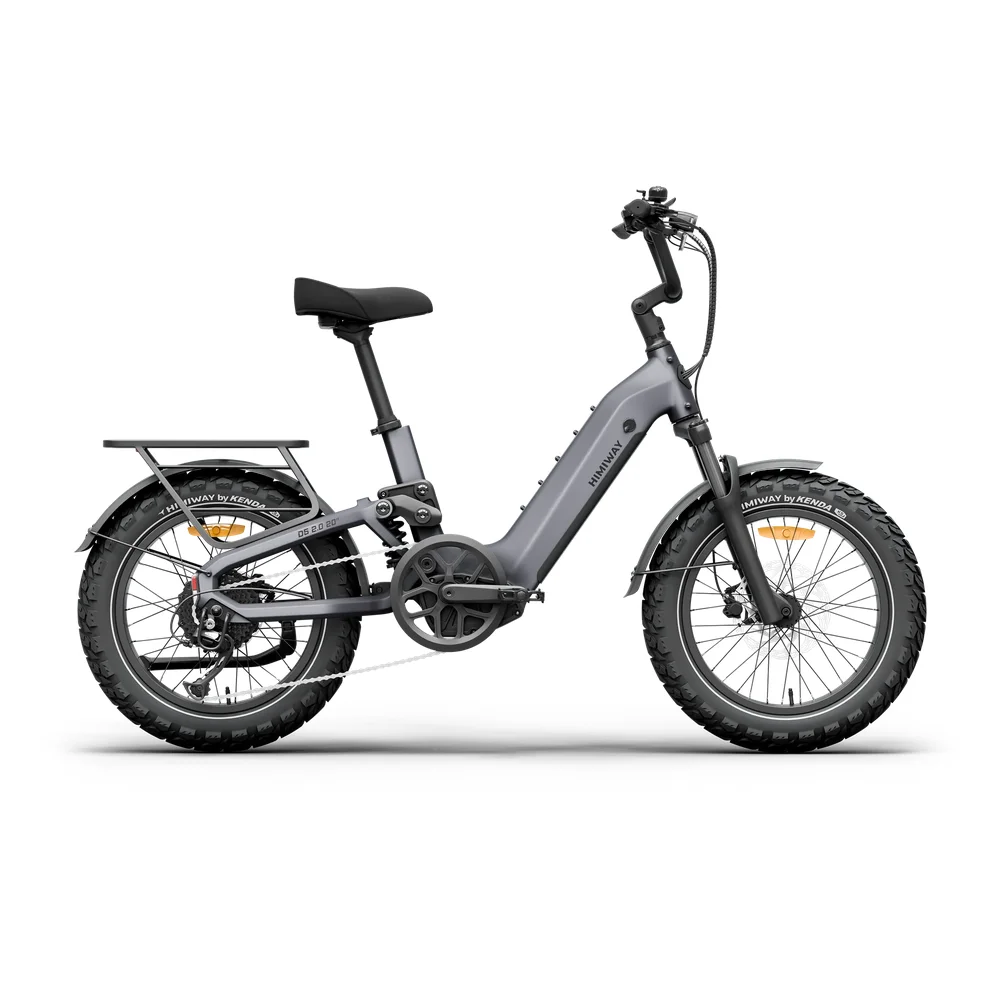
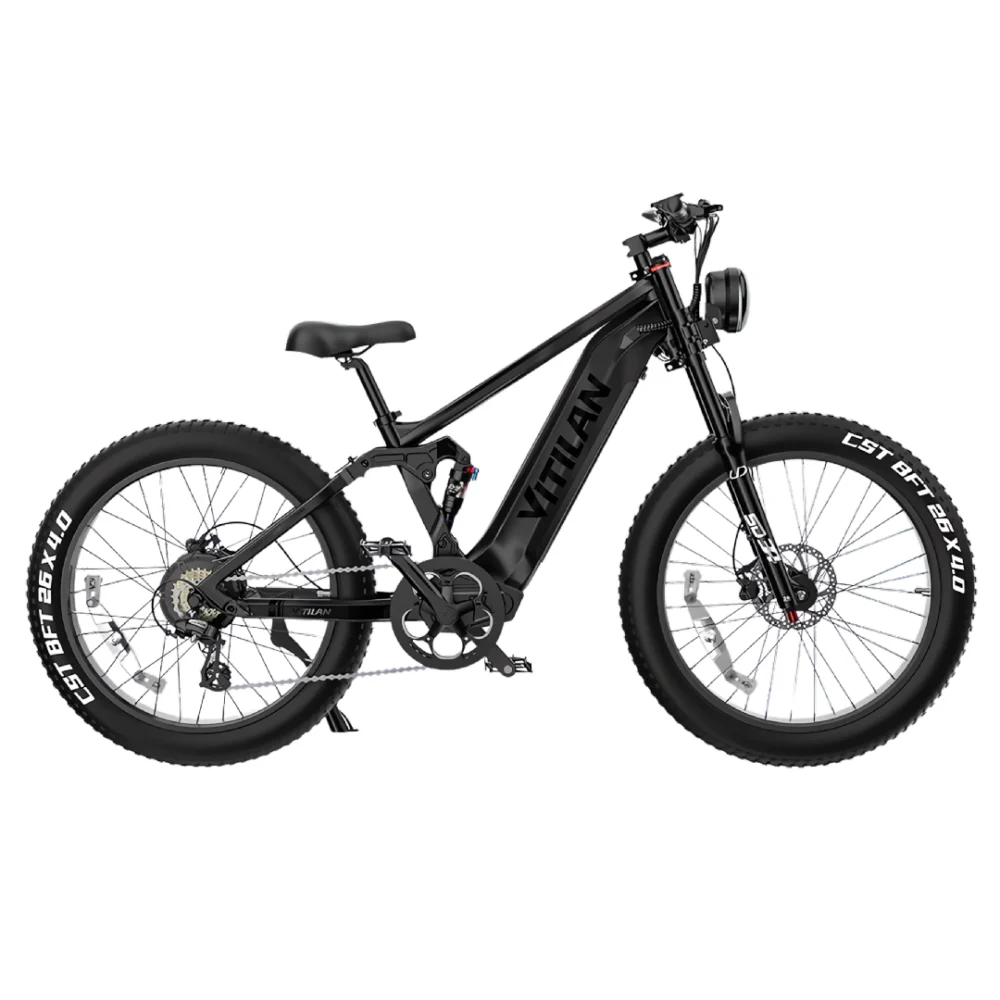
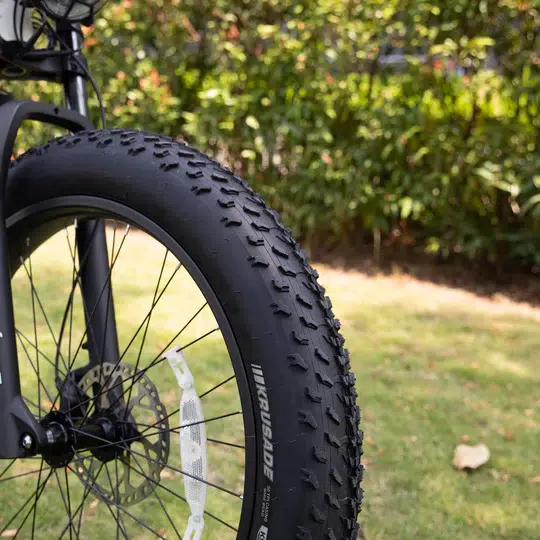
Finally, fat tyre models offer a highly effective alternative for climbing. The massive volume of the tyres provides exceptional grip. This prevents the rear wheel from spinning out or losing traction when the motor applies heavy rotational force on a loose gravel climb or a wet, slippery road.
The debate between mid-drive and hub motors is particularly relevant for riders seeking an ebike for steep climbs in the UK. The physical placement of the motor fundamentally changes how the bicycle interacts with the terrain, and making the wrong choice can lead to a frustrating riding experience.
Hub motors are located directly in the centre of either the front or rear wheel. They operate completely independently of the bicycle’s mechanical gears. When you apply power, the motor simply spins the wheel. While these systems are highly affordable and require very little maintenance, they often struggle on long, steep climbs. Because they cannot leverage the bicycle’s gearing system, hub motors often run at low RPMs on steep hills, which can quickly lead to overheating and heavily reduced efficiency.
Mid-drive motors sit down at the bottom bracket, right between the pedals. This placement offers a massive mechanical advantage: the motor drives the chain, meaning it uses the rear cassette just like you do. When you shift into a low gear for a tough climb, the motor also benefits from that exact same gear reduction. It spins quickly and efficiently, delivering optimal torque directly to the rear wheel without burning out. For hilly terrain, mid-drive systems are almost always the superior choice.
Finding the right model requires balancing your budget with your specific performance needs. Start the process by realistically evaluating the exact gradients you plan to tackle. If you only encounter gentle, rolling slopes, a standard hub motor with 40 Nm of torque might easily suffice. However, if your daily commute involves serious elevation changes, you should absolutely prioritise a mid-drive system with a minimum of 65 Nm of torque.
Next, you must consider the battery capacity, which is measured in Watt-hours (Wh). Climbing consumes significantly more electrical energy than riding on flat ground. A battery that promises a 50-mile range on flat roads might only deliver 20 miles if you are constantly going uphill. Look for a battery capacity of 500Wh or more to ensure you do not run out of juice halfway up a steep hill.
Braking is just as important as accelerating when dealing with elevation. What goes up must eventually come down, and descending steep hills requires exceptional, reliable stopping power. Always look for models equipped with hydraulic disc brakes rather than mechanical disc or traditional rim brakes. Hydraulic systems provide superior modulation and powerful stopping force, ensuring you remain safe and in control on fast, unpredictable descents.
Finally, take the time to test ride a few different styles before making your final decision. Pay close attention to how the electrical assistance feels when you pedal, and ensure the frame geometry is comfortable for your specific body type. By focusing on torque, motor placement, battery capacity, and strong brakes, you will easily find a dependable machine to flatten out the steepest routes in your local area.