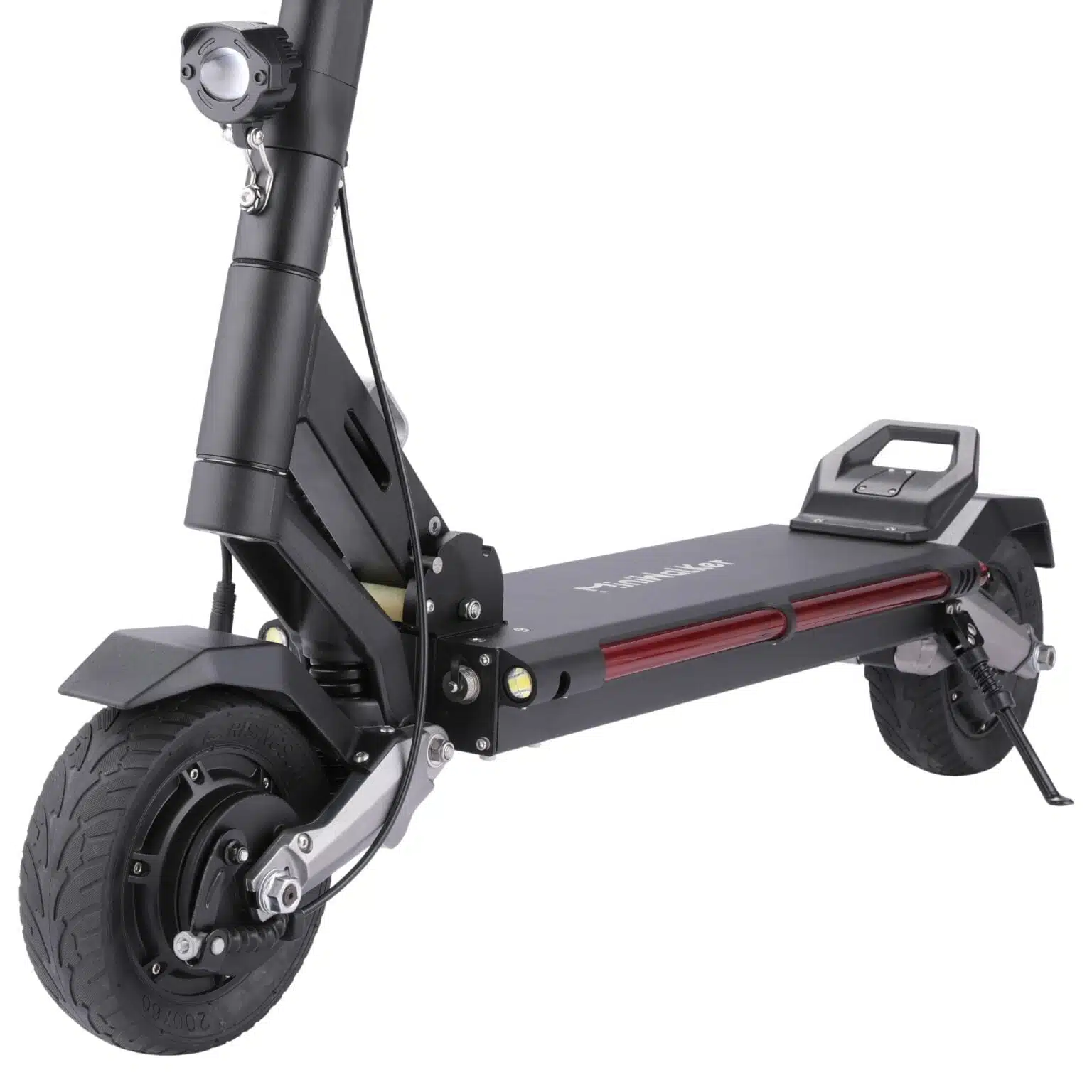
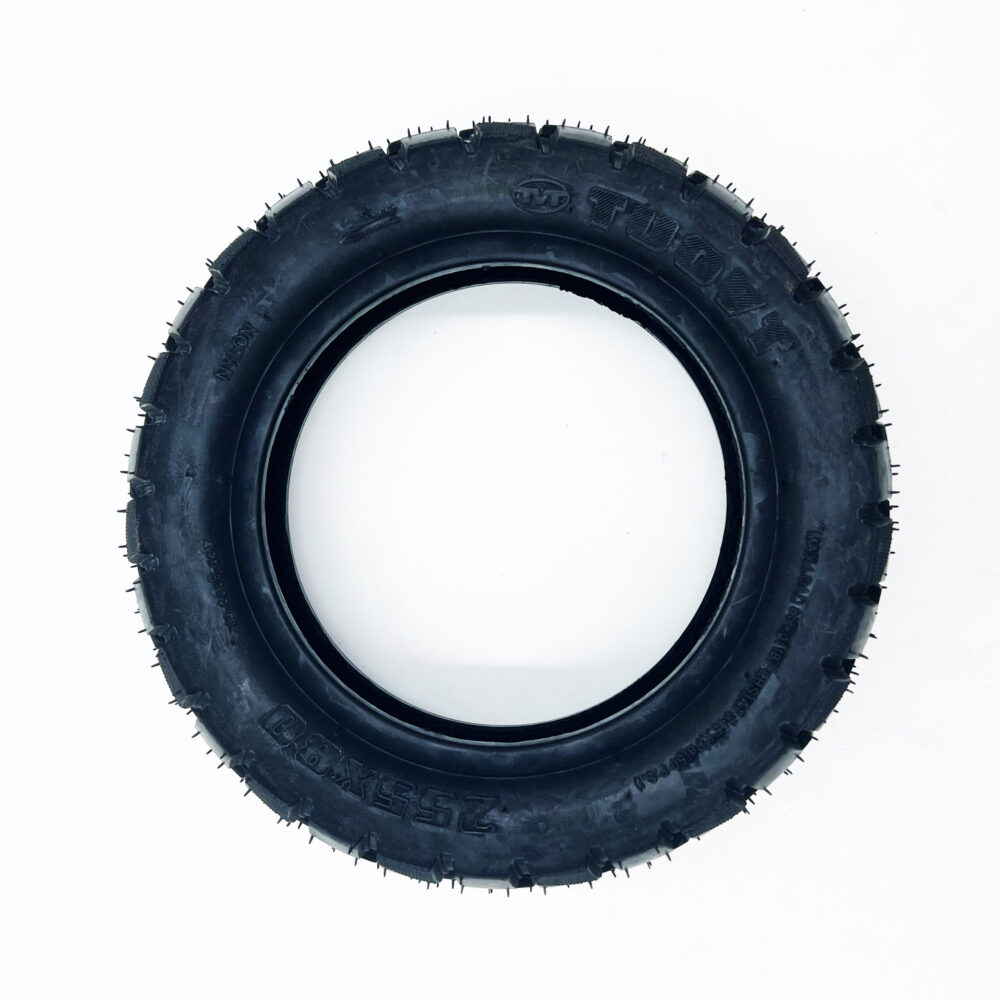
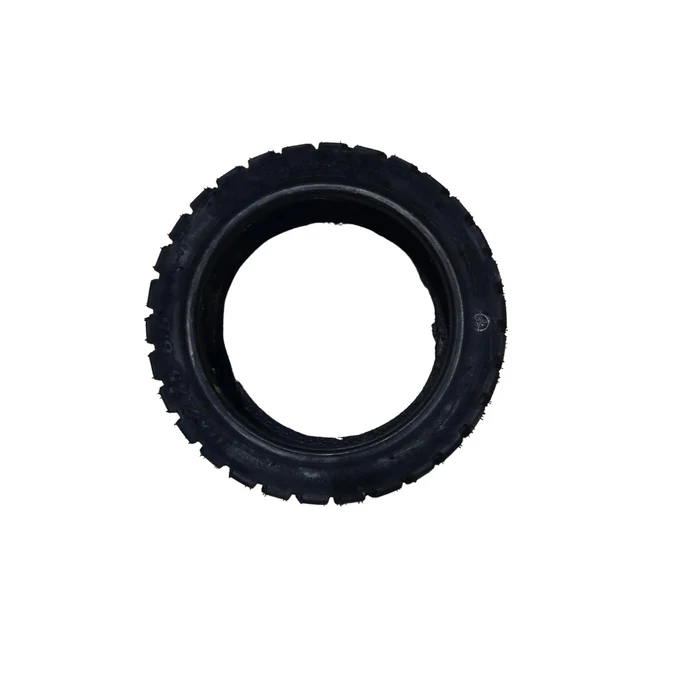
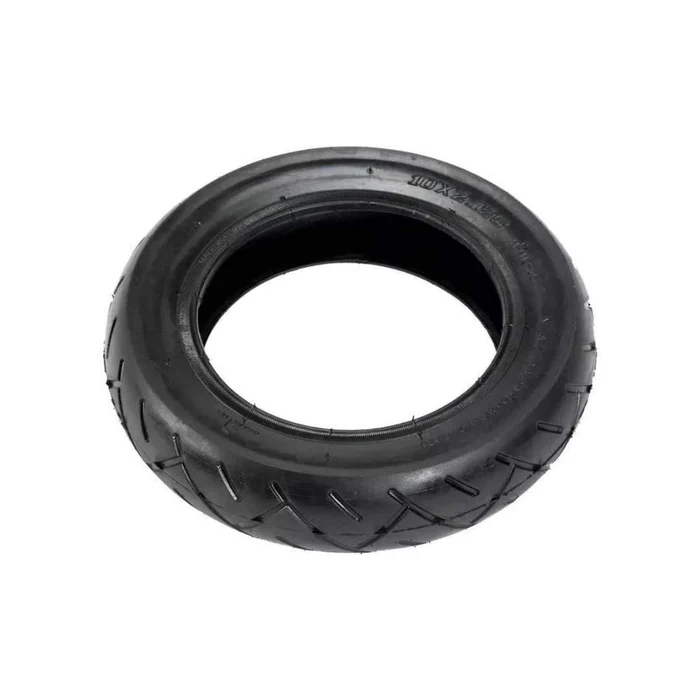
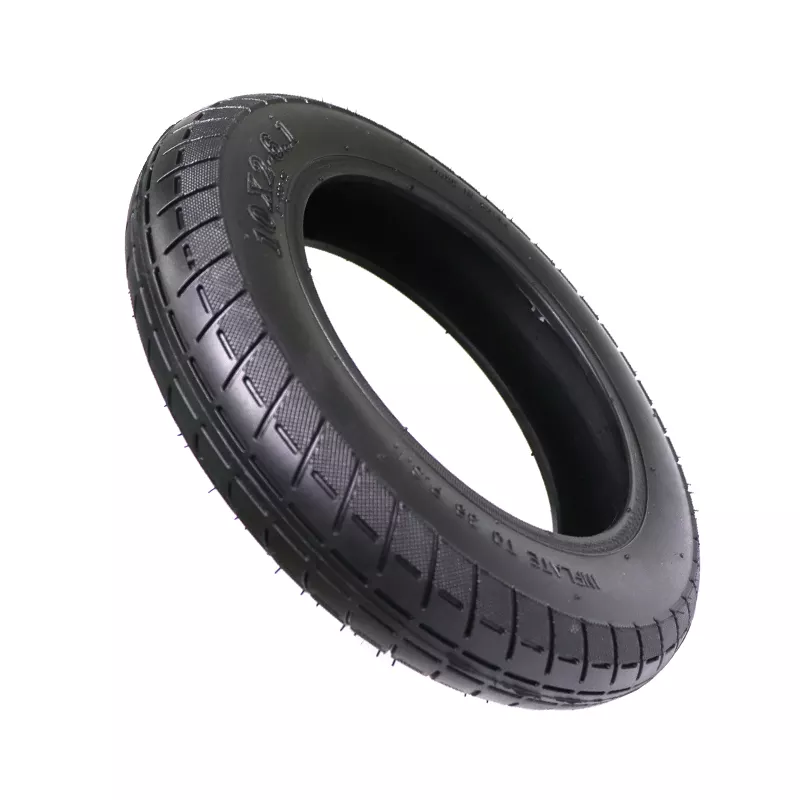
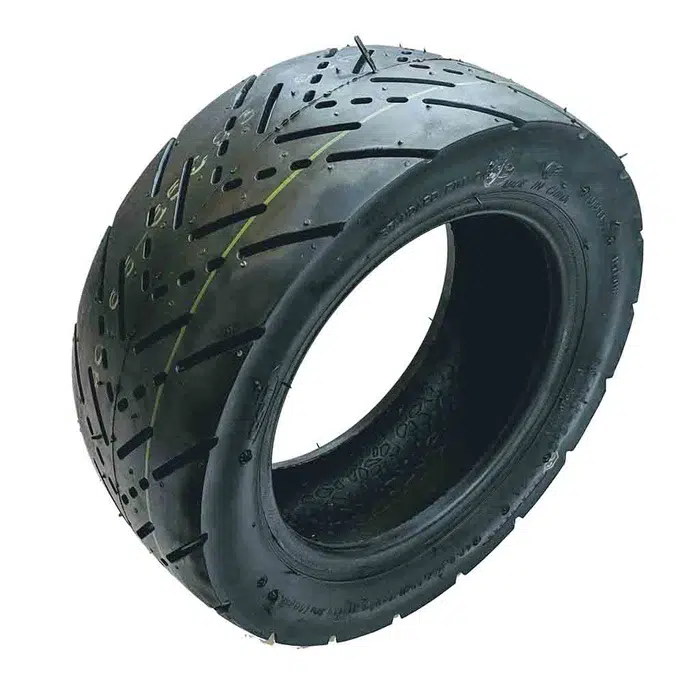
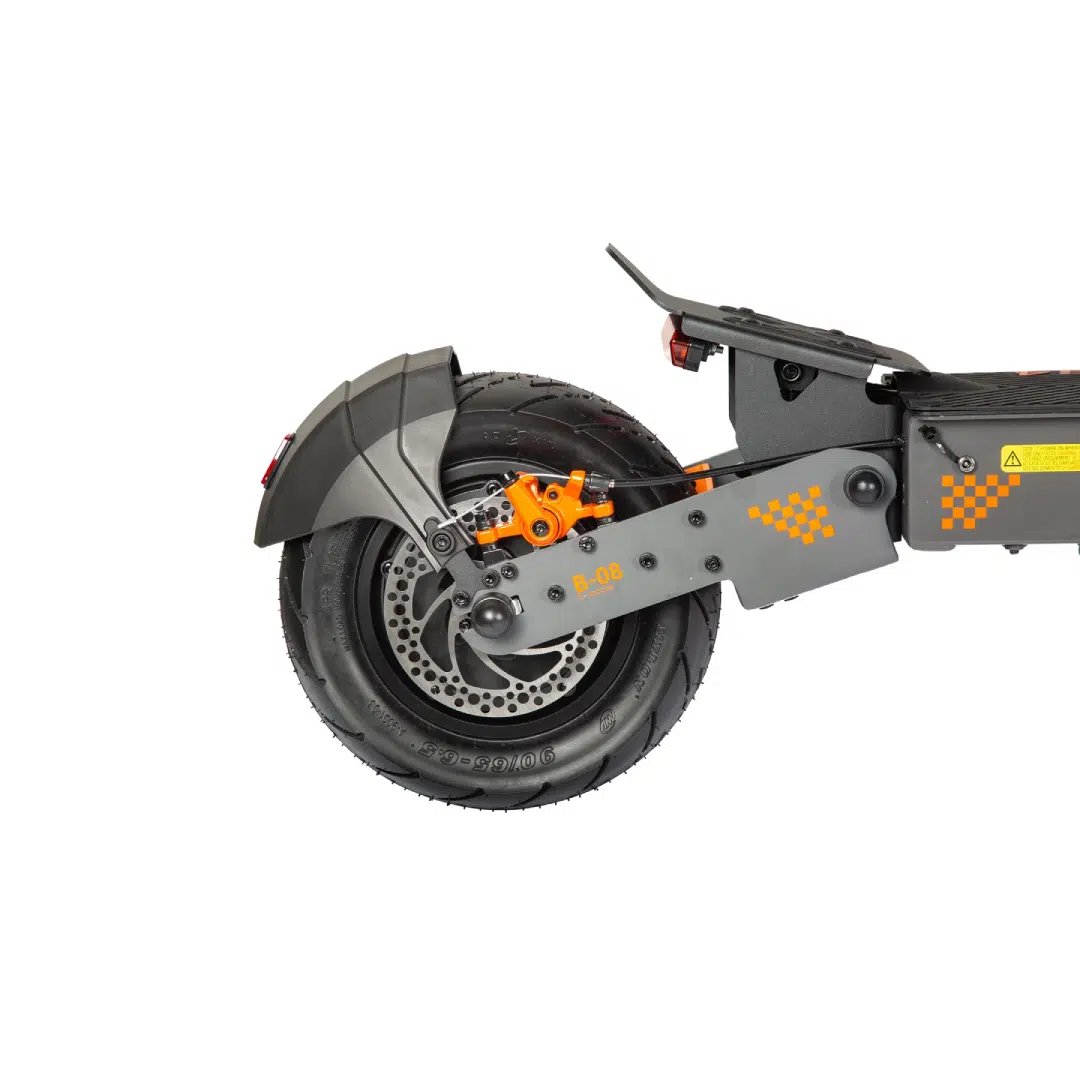
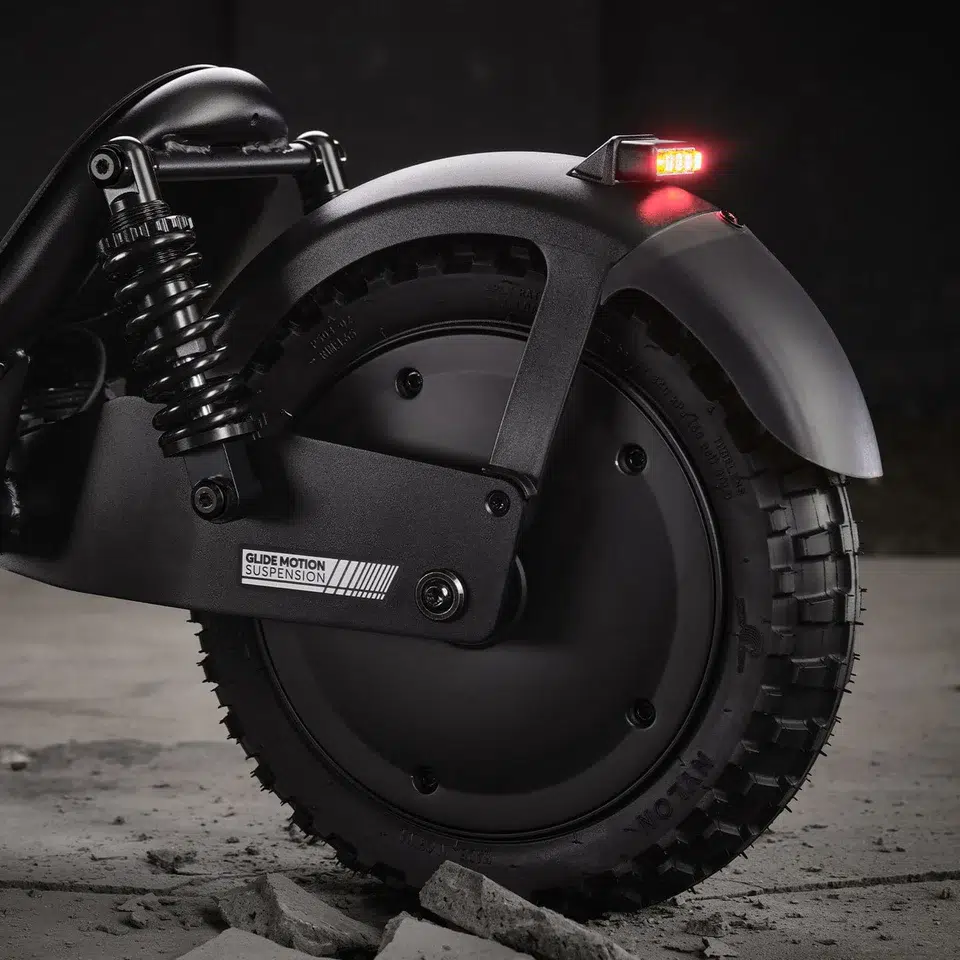
Your electric scooter’s performance, comfort, and safety are dependent on an important and frequently neglected part, its tyres. Knowledge of various types of electric scooter tyres is essential if you want to have the best ride experience. In this guide, we shall cover all aspects regarding various electric scooter tyres, starting from those commonly used.
We are conveniently located near central London on the Kilburn High Road. We hold a variety of our stock on display and provide repair and service for any Model, Brand and Type of Electric Scooter and Bike
When it comes to e-scooter tyres, there are two primary categories you’ll encounter: pneumatic and solid. Each has distinct advantages and is suited for different riding styles and terrains.
Pneumatic tyres have air inside them, just like those on bicycles and automobiles. Such tyres are most popular on electric scooters because of the smooth ride that they provide to the user. The compressed air in pneumatic tyres works like a shock absorber to give a smooth ride to the user by eliminating bumps on the ground.
Superior Shock Absorption: The air-filled design provides excellent cushioning, making for a smoother and more comfortable ride.
Better Traction: The flexible nature of pneumatic scooter tyres allows them to grip the road surface more effectively, offering better control, especially in wet conditions.
Higher Performance: They generally provide better handling and stability at higher speeds, making them a favourite for performance-oriented riders.
Pneumatic tyres are classified into tubed tyres and tubeless tyres. In tubed tyres, the tyre has an inner tube to store the air, while in the other type, an airtight seal is created between the wheel rim and the tyre. The tubeless tyres are more shock-resistant when it comes to sudden flats, but might be more difficult to repair as well. The biggest disadvantage of all types of pneumatic tyres is that they are susceptible to punctures.
If you want to eliminate the fear of getting a flat tyre, you should opt for solid scooter tyres. Solid scooter tyres are made of rubber or polyurethane foam composites. They do not have any air in them; hence, they are airless. The most prominent feature of these tyres is that they are durable and low-maintenance.
Beyond the two main categories, you can find specialised tyres designed for specific purposes.
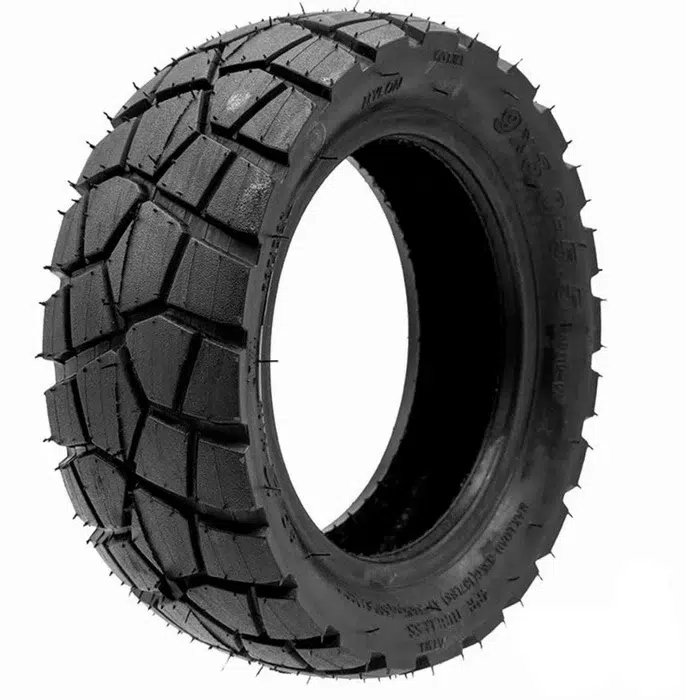
For the adventurous rider, off-road scooter tyres are a must-have. These are typically pneumatic and feature deeper, knobbier treads designed to grip loose surfaces like dirt, gravel, and grass. They provide the traction and stability needed to take your scooter beyond the pavement and explore more challenging terrains. While they excel on trails, their aggressive tread pattern can create more noise and a slightly rougher feel on smooth tarmac.
Proper maintenance is essential for ensuring the longevity and safety of your electric scooter tyres.
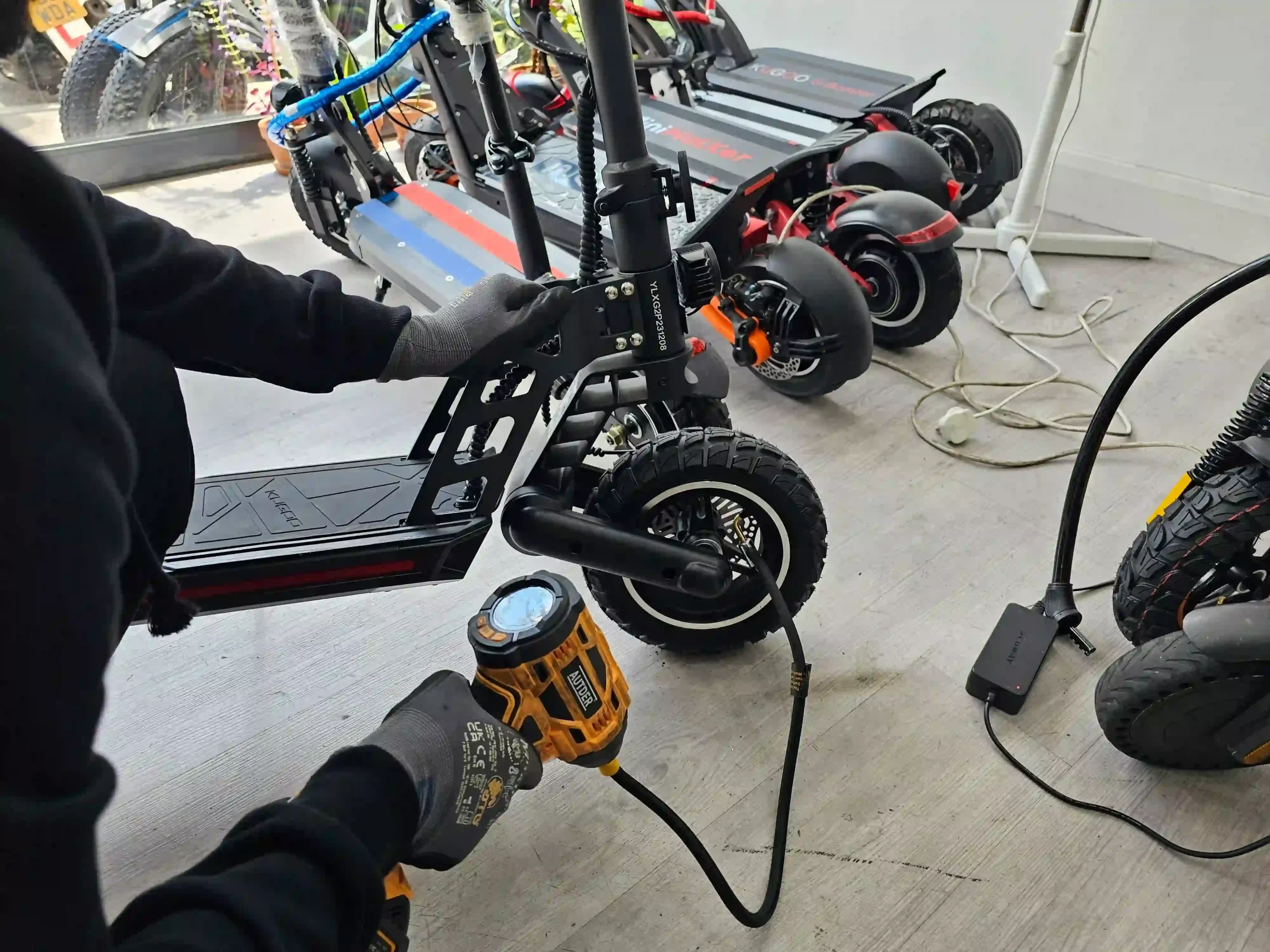
Check Pressure Regularly (Pneumatic): If you have pneumatic tyres, check the air pressure at least once a week. Riding on under-inflated tyres can lead to poor handling, increased risk of punctures, and faster wear. The recommended PSI is usually printed on the tyre’s sidewall.
Inspect for Wear and Tear: Regularly examine your tyres for signs of wear, such as balding treads, cracks, or embedded objects. Worn-out tyres significantly reduce grip and increase braking distances.
Keep Them Clean: Wiping your tyres down occasionally can help you spot potential issues early and prevent dirt from accumulating.
Knowing when to replace your tyres is crucial for safety. Look for these signs:
Worn Treads: If the tread pattern has become smooth and shallow, it’s time for a new set.
Frequent Punctures: If your pneumatic tyres are getting flats more often, the rubber may have become thin and brittle.
Visible Damage: Cracks in the sidewall, bulges, or any visible deformation mean a scooter tyre replacement is immediately necessary.
Changing a tyre can be a relatively simple DIY task, but it may be challenging, especially when dealing with solid tyres that usually demand specific tools. However, if one is not a DIY enthusiast, a local scooter shop or a professional servicer can be of great help with tyre replacement.