





If you walk down any high street in a major city, you’ve likely seen the quiet revolution taking place on our pavements and cycle lanes. Electric scooters and e-bikes are no longer futuristic gadgets; they are part of the daily commute for thousands.
But with this surge in popularity comes a cloud of confusion. Can you ride a privately owned scooter to work? Does your e-bike need insurance? What happens if you get stopped by the police? The legal landscape for electric mobility in the UK is currently a mix of outdated legislation and modern trials, leaving many riders unsure of where they stand.
This guide aims to cut through the noise. Whether you are looking to buy your first e-scooter, curious about the rules for your new e-bike, or simply want to ride safely without risking a fine, we have compiled everything you need to know about the current laws and safety regulations.
Are Electric Scooters Legal in the UK?
The most common question we hear at Rapid Scooter is simple: “Can I ride this on the road?” The answer, however, is a bit more nuanced.
Currently, UK electric scooter laws distinguish heavily between rental scooters and privately owned ones.
Rental E-Scooters
In many towns and cities across the UK, government-backed trials are taking place. In these specific trial zones, you can legally rent an e-scooter from an approved operator (like Lime, Voi, or Tier) and ride it on public roads and cycle lanes. To do this, you must have a valid driving licence (provisional or full) and create an account with the operator. These scooters are insured by the rental company and are speed-limited to 15.5mph.
Private E-Scooters
This is where the confusion often lies. It is perfectly legal to buy, sell, and own an electric scooter in the UK. However, under current legislation, specifically the Road Traffic Act 1988, electric scooters are classified as “powered transporters.” This puts them in the same legal category as motor vehicles.
Because they don’t meet the technical requirements for road vehicles (such as having number plates, indicators, and rear lights) and cannot currently be taxed or insured, it is illegal to ride a privately owned e-scooter on public roads, cycle lanes, or pavements.
Currently, the UK rules on electric scooter legality UK rules state that private e-scooters can only be used on private land with the landowner’s permission.
What are the penalties?
If you are caught riding a private e-scooter on public land, you could face penalties similar to driving a car without insurance. This includes:
- A fixed penalty notice of £300.
- Six points on your driving licence.
- Seizure of the scooter.
While enforcement varies depending on the police force and location, it is crucial to understand the risks before heading out.
E-Bike Laws & Classifications
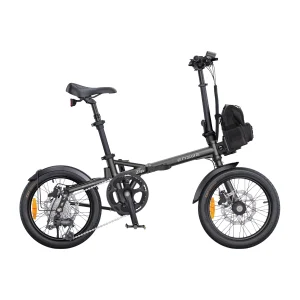
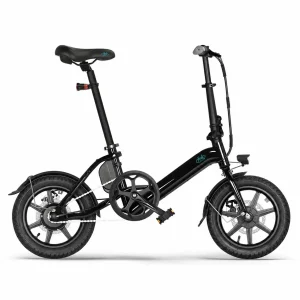
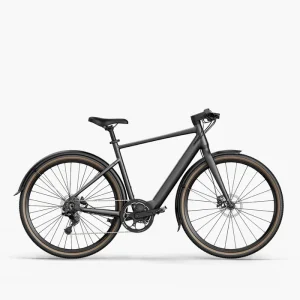
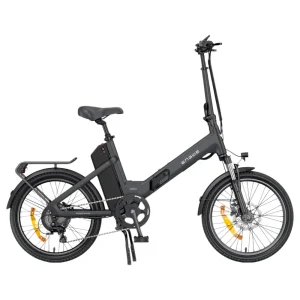
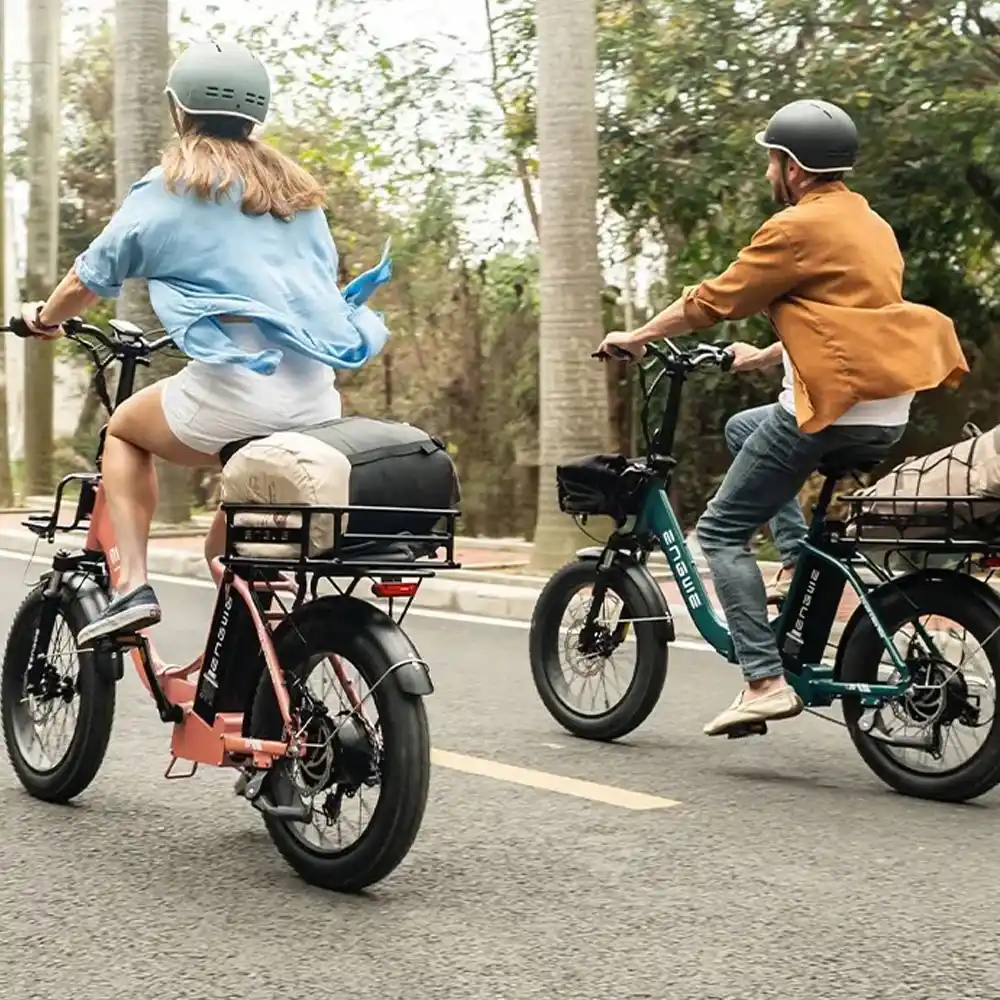
Unlike e-scooters, electric bikes (or Electrically Assisted Pedal Cycles – EAPCs) enjoy a much clearer legal status. In fact, e-bike laws in the UK are quite favourable for riders, treating compliant e-bikes much like standard bicycles.
To be considered a legal EAPC and ridden on public roads without a licence, insurance, or registration, an e-bike must meet specific criteria:
- Pedal Assist: The bike must have pedals that can be used to propel it. It cannot be “twist-and-go” only (though a throttle that works up to walking speed is allowed).
- Motor Limit: The electric motor must have a maximum power output of 250 watts.
- Speed Limit: The electrical assistance must cut off when the bike reaches 15.5mph (25km/h). You can go faster than this by pedalling, but the motor won’t help you.
- Age Limit: You must be at least 14 years old to ride an e-bike on public roads.
What if my bike is faster or more powerful?
If an electric bike has a motor over 250W or provides assistance above 15.5mph, it is no longer classified as an EAPC. Instead, it falls under the category of a motorcycle or moped. This means to ride it legally on the road, you would need:
- DVLA registration and tax.
- A driving licence.
- A crash helmet (motorcycle standard).
- Type approval.
At Rapid Scooter, we stock a range of e-bikes that fit different needs, from road-legal commuters to high-performance off-road machines designed for private land use. It is vital to check the specifications before you ride.
Safety Requirements & Helmets
Regardless of whether you are on an e-scooter or an e-bike, safety should always be your top priority. The roads can be unpredictable, and being visible and protected is essential.
Helmets
Surprisingly, there is no legal requirement to wear a helmet when riding a standard bicycle or a legal EAPC in the UK. Similarly, while rental e-scooter schemes strongly encourage helmet use, it is not mandatory by law.
However, we strongly recommend wearing a high-quality helmet. Modern helmets are lightweight, ventilated, and can save your life in a collision. For higher-speed travel on private land, full-face helmets offer the best protection.
Visibility and Lighting
If you are riding an e-bike on the road between sunset and sunrise, you are legally required to have working lights, white at the front and red at the rear, along with reflectors.
For e-scooter users (even on private land), visibility is just as key. Many of the models we stock, such as the KuKirin G4, come equipped with powerful lighting systems. If your scooter lacks decent lights, investing in aftermarket clip-on lights and wearing high-visibility clothing is a smart move.
Maintenance
Safety starts before you even leave the house. E scooter regulations might not mandate an MOT, but regular checks are vital:
- Tyres: Check pressure and tread depth. Punctures are the most common issue we see at our repair centre.
- Brakes: Ensure your brake pads aren’t worn down and that the cables (or hydraulic fluid) are functioning correctly.
- Battery: Inspect for any damage to the battery casing and ensure it is charging correctly.
If you are unsure about the safety of your ride, our repair centre is open for servicing on any brand or model.
FAQs on UK Regulations
Do I need a licence to ride an electric bike?
No, as long as the bike meets the EAPC requirements (250W motor, 15.5mph limit), you do not need a licence. You just need to be 14 years or older.
Can I insure my private e-scooter?
Currently, it is very difficult to get insurance for riding a private e-scooter on public roads because it is illegal to do so. However, some specialist providers offer insurance against theft or damage, and liability insurance for use on private land.
Is the law going to change for e-scooters?
The government announced plans to create a new vehicle category for “low-speed, zero-emission vehicles,” which would legalise private e-scooters. However, this legislation has been delayed multiple times. For now, the distinction between rental and private scooters remains in force.
Can I ride an e-bike on the pavement?
No. Just like standard bicycles, legal e-bikes are not allowed on pavements. You must use the road or designated cycle paths.
What counts as “private land”?
Private land refers to property not accessible to the general public, such as a private driveway, a garden, or a privately owned field. You must have the explicit permission of the landowner to ride there. Public parks, car parks, and university campuses are generally considered public places under the Road Traffic Act.
Stay Safe and Informed
The world of electric mobility is moving fast, and legislation is struggling to keep up. While e-bikes offer a hassle-free, legal way to commute right now, private e-scooter owners are currently restricted to private land.
At Rapid Scooter, we believe in the future of electric transport. Whether you are looking for a road-legal e-bike for the morning commute or a high-performance scooter for weekend fun on private tracks, knowing the law ensures you can enjoy your ride without worry.
For the latest updates, high-performance rides, or expert repairs, visit us in-store or browse our collection online.