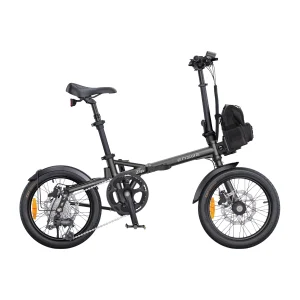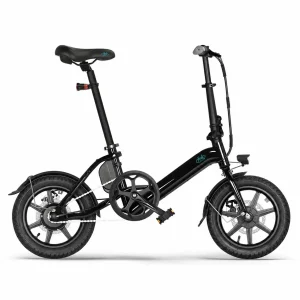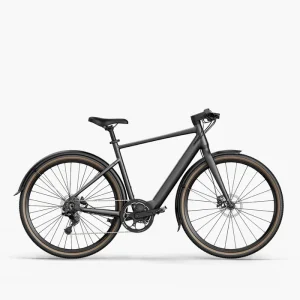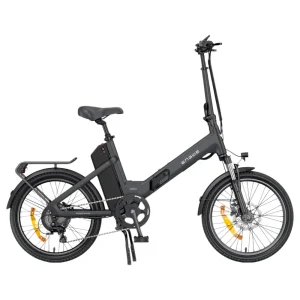






Most UK riders will spend at least some time riding in wet weather. Whether you commute daily or use your e-bike for weekend errands, rain is unavoidable. The good news is that a well-maintained electric bike with a decent water resistance rating can handle typical British drizzle without any problems.
That said, riding in the rain does carry some risks that dry-weather riding does not. Reduced grip, reduced visibility, increased braking distances and water ingress into electrical components are all real concerns. This guide covers everything you need to know, from checking your IP rating and setting the right tyre pressure to what you should do after every wet ride.
Is It Safe to Ride an Electric Bike in the Rain?
Most quality e-bikes are designed to handle rain. The electrical components, including the motor, battery and controller, are housed in sealed or protected casings that provide a reasonable level of water resistance under normal riding conditions.
That means light to moderate rain is generally fine for a road-legal e-bike that has been properly maintained. Heavy, sustained rain is a different matter. The longer you ride in wet conditions, the greater the chance of moisture finding its way into components not designed for prolonged exposure.
Riding becomes a more serious concern when:
- Roads are flooded or heavily waterlogged
- Puddles are deep enough to reach the motor or battery
- Visibility is very low due to driving rain
- The road surface is covered with standing water, mud or debris
Frederick’s advice: Check your bike’s IP rating before assuming it can handle any weather. A model rated IPX4 offers basic splash protection and is fine for light rain and riding through puddles. An IPX5 or IPX6 rating gives you stronger protection and is better suited to regular wet-weather commuting. Anything below IPX4 should be used with extra caution in wet conditions.
How to Prepare Your Electric Bike Before Riding in the Rain
A few simple checks before you set off can make a significant difference to both your safety and your bike’s condition.
What tyre condition and pressure should you check before a wet ride?
- Check tyre tread depth. Worn tyres lose grip faster on wet surfaces. If the tread is shallow or uneven, replace the tyres before riding in the rain.
- Lower tyre pressure slightly to increase the contact patch between the tyre and the road. This improves traction on slippery surfaces. Check your manufacturer’s recommended pressure range and stay within it.
- Inspect tyres for cuts, bulges or embedded debris that could cause a puncture on a wet road.
How should you inspect brake pads and rotors before wet-weather riding?
Wet conditions significantly increase braking distances. Before setting off:
- Check brake pad thickness. Thin pads wear faster in wet conditions and provide less stopping power.
- Inspect disc rotors for scoring or wear. A damaged rotor reduces braking performance.
- Test both brakes at low speed before your ride to confirm they feel firm and responsive.
- If you have rim brakes rather than disc brakes, be aware that rim brakes perform noticeably worse in wet weather. Disc brakes handle water better and are the preferred choice for UK commuting.
Should you fit mudguards before riding in the rain?
Full-length mudguards are one of the most practical additions you can make for wet-weather riding. They reduce water spray on you, your bag and your electrical components. If you commute regularly in wet conditions, fitting mudguards is a straightforward way to protect the bike and stay drier on longer journeys.
Do you need to close charging ports before riding in the rain?
Yes. Always ensure the charging port cover is fully closed and seated before riding in wet conditions. Water entering the charging port can cause electrical damage. Check the seal around the cover if your bike has been ridden in rain regularly, as worn seals can allow moisture ingress over time.
Visibility and Low Light Conditions When Riding in the Rain
Rain reduces visibility for you and for other road users. Taking steps to be seen clearly is as important as adjusting your speed.
How should you improve visibility when riding an e-bike in rainy weather?
- Use a bright front white light and a rear red light. Many UK e-bikes come with built-in lights, but check they are working before every wet-weather ride.
- Wear high-visibility and reflective clothing. A bright jacket with reflective panels significantly improves how visible you are to drivers in low light and rain.
- Keep your helmet visor or cycling glasses clear. Water on a visor reduces your ability to see road hazards. Use an anti-fog treatment or ride with clear glasses that shed water easily.
- Avoid riding in heavy rain at night unless absolutely necessary. The combination of reduced grip, reduced visibility and wet road surfaces multiplies the risk significantly.
Gear, Accessories and Equipment for Wet Weather E-Bike Riding
The right gear makes wet-weather riding safer and more comfortable. You do not need to spend a lot to be well protected.
What accessories should you use for wet-weather e-bike commuting?
- Waterproof panniers or dry bags: Protect your belongings and keep weight distribution stable. Avoid loose bags that shift in crosswinds or when braking.
- Neoprene covers for displays and remotes: These give an extra layer of protection for components that are not fully sealed. Useful on older models or bikes with lower IP ratings.
- Puncture-resistant tyres with wet-grip compound: Worth considering if you commute regularly in wet conditions. These tyres are designed to maintain grip on slick surfaces and resist damage from road debris.
- Waterproof cycling gloves: Cold, wet hands reduce your ability to feel the brakes and throttle clearly. Waterproof gloves keep your hands dry and maintain tactile control.
- Waterproof overshoes or boots: Wet feet cause discomfort on longer rides and can affect pedalling consistency.
After the Ride: Maintenance, Repairs and Servicing Following Wet Weather
Post-ride care is one of the most overlooked parts of riding an e-bike in the rain. A few simple steps after each wet ride make a significant difference to the long-term condition of your bike.
What should you do to maintain an electric bike after riding in the rain?
- Wipe down the frame, battery area and display with a soft cloth. Remove any mud or water from joints, hinges and folding mechanisms.
- Dry the brakes by applying them gently while rolling the bike slowly in a dry space. This removes surface water from the pads and rotors.
- Dry all connectors, including the charging port area, before reinstalling the battery or connecting the charger.
- Lubricate the chain once it has dried. Wet conditions wash away lubricant quickly. A dry or corroding chain increases wear on both the chain and the drivetrain.
- Check tyre condition after the ride. Wet roads can embed small pieces of glass or sharp debris into the tyre that are not always immediately visible.
- Store the bike in a dry location. Avoid leaving a wet e-bike in a cold, damp space for extended periods.
If you are unsure about the condition of any component after a wet ride, book a servicing check with the Rapid Scooter repair team. Our in-house repair centres carry out inspections, servicing and component replacement across a wide range of e-bike brands and models.
How to Choose an Electric Bike for Regular Wet Weather Commuting
If you commute in the UK year-round, choosing an e-bike built for wet conditions from the start is the most sensible approach.
What features should you prioritise when buying an e-bike for rainy commuting?
- Sealed wiring and integrated battery designs: These reduce exposed connection points and minimise the risk of water ingress.
- Motor and battery IP ratings of IPX5 or above: Check this in the product specification before buying.
- Disc brakes rather than rim brakes: Disc brakes maintain performance in wet conditions far better than rim brakes.
- Full mudguard compatibility: Look for frames with mounting points for full-length mudguards if they are not already fitted.
- Quality tyres with an appropriate wet-weather compound: Some budget-level e-bikes come with tyres that wear quickly and lose grip faster in the rain.
Ride Safely, Maintain Regularly, Get Support When You Need It
Riding an electric bike in the rain is manageable with the right preparation, the right gear and a solid understanding of your bike’s limits. Check the IP rating, inspect tyres and brakes before wet rides, adjust your speed and riding style, and take care of the bike properly afterwards.
The right choice of e-bike also makes a meaningful difference. If you commute year-round in the UK, choosing a model with a strong IP rating, disc brakes, and sealed components from the start will save you problems further down the road.
If you need help choosing a model suited to wet-weather commuting, want to book a service, or need the repair team to check your bike after a heavy soaking, Rapid Scooter can help. Visit the team or get in touch online.