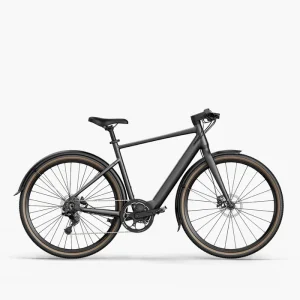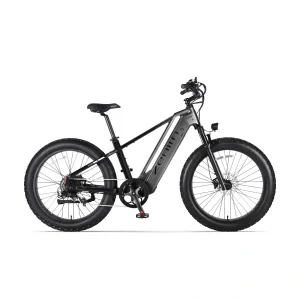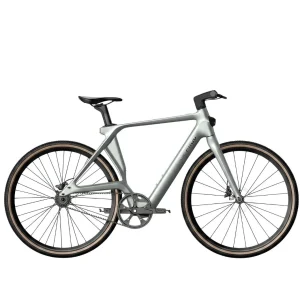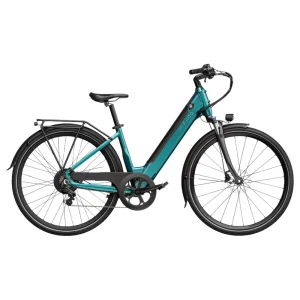






Electric bikes are revolutionising the world of cycling, so it’s little surprise that an increasing amount of cyclists are taking their bikes away with them on trips, both in the UK and beyond.
For city exploring, electric bikes give you the freedom of exploring new destinations without having to over-exert yourself, whilst cycling holidays are popular with those looking to go off the beaten path and give themselves a new challenge.
However, whilst it’s possible to travel with your e-bike, it depends on the type of transport that you’re planning on taking. We have outlined what you will need to consider when travelling via bus, train, plane or car with your electric bike.

Are electric bikes allowed on UK roads and cycle paths?
If an electric bike meets the government’s EAPC (Electrically Assisted Pedal Cycle) criteria, then it is perfectly legal to ride it on UK roads and bike paths. By being classified as an EAPC, an e-bike is treated just the same as a standard bicycle, meaning that you won’t need a driving licence, insurance or registration. However, you do need to be at least 14 years old to ride an EAPC on public roads.
To be classified as an EAPC, a bike will need to meet the following criteria:
- Pedal assist – The bike motor must only provide assistance when pedalling.
- Motor limit – The motor must have a maximum output of 250 watts.
- Speed limit – The electrical assistance must cut off when the bike reaches speeds of 15.5mph (25km/h).
If an e-bike has a motor over 250W or offers assistance above 15.5mph, then it falls under the classification of a motorcycle or a moped. To ride it legally on UK roads, you will need a DVLA registration and tax, a driving licence, a motorcycle standard crash helmet, and type approval.
If you’re looking to explore the countryside, many areas of the UK welcome EAPCs, including forest paths and cycle trails, as long as riders abide by local trail signage. However, some areas – such as country parks, or ecologically-sensitive areas – don’t allow e-bikes (or traditional bicycles), so we’d recommend checking local bylaws and restrictions before planning your cycling route.
Can you take an electric bike on buses or the London Underground?
London may have invested a huge amount into building cycling lanes over the past few years, but despite the city’s excellent cycling infrastructure, travelling with an e-bike isn’t quite so straightforward. The transportation of non-folding e-bikes is not permitted across the entire Transport for London (TfL) network, which includes the London Underground, Overground, Elizabeth Line, and buses.
However, if you have a foldable bike, you are allowed to carry it on public transport – just be mindful that at peak times when it’s particularly busy, it’s at the driver’s discretion to let you on with a folding bike.
As for the rest of the UK, similar rules apply on buses. Non-foldable bikes are generally not permitted, due to space constraints and safety restrictions, but foldable e-bikes are usually allowed if they can be stored in a luggage space.
Before you travel, make sure to check the specific rules around taking e-bikes on the bus, as the rules might vary between operators.
Taking electric bikes on trains in the UK
In general, EAPCs are allowed on trains in the UK, but each train company will have its own guidelines. If your bike has a maximum output of 250W, and pedals that assist up to 15.5mph, then it’ll usually be welcome on board.
If you have a full size e-bike, some train operators need you to reserve a bike space in advance when you buy your ticket, whilst others have a first-come, first-served policy – so if you know you’ll need to travel with your bike, check in advance if you need to reserve a spot. Some trains restrict bikes during peak weekday hours, so make sure to bear this in mind.
Foldable bikes, on the other hand, can be carried on just like regular luggage and stashed in the overhead racks, or under your seat.
However, charging e-bikes onboard is prohibited, as trains have strict health and safety regulations around lithium ion batteries. The batteries shouldn’t be removed from the bike onboard, unless it’s necessary in order to fold it.
Can you take an electric bike on a plane?
With so many top-tier cycling routes in Europe and beyond, we know that many cyclists would be keen to take their bikes abroad. Unfortunately, though, taking an electric bike on a plane can be tricky.
The majority of airlines either prohibit or seriously restrict large lithium ion batteries in cargo, due to the fire risk associated with them. Most e-bikes have a battery capacity greater than the size that is permitted for travel, so even if the bike frame itself was allowed on board, the battery wouldn’t be.
The International Air Transport Association (IATA) sets the international safety rules for the majority of airlines, and it stipulates that passengers can carry lithium batteries up to 100Wh in hand luggage without approval, and 100-160Wh with airline approval. The challenge is that most e-bikes have a battery that is significantly larger than this, so airline rules wouldn’t permit them in either carry on luggage or checked bags.
All airlines have different rules on e-bikes; some will allow the frame to be checked in as sports equipment if the battery is removed, so before you book your flight, check what the airline’s policy is.
If you can take the frame, you could look into buying or renting an e-bike battery at your travel destination, or you could consider leaving your bike at home and working with bike rental companies abroad. Many travellers find that hiring an e-bike is easier than flying with their own.
Of course, you could look into shipping your battery separately, but as they are considered hazardous goods, it can be quite a complicated (and costly) process to find a specialist shipping company.
Travelling with an electric bike in a car
One of the most convenient ways to transport an electric bike is by car. Unlike on public transport, you aren’t bound to strict rules and regulations, which gives you more flexibility for spontaneous plans.
With that said, you’ll still need to take some precautions to transport your full size e bike safely. They are typically far heavier than a regular bike, so you’ll need to pick a transport method that can handle that extra weight. Tow bar-mounted bike racks can offer more stability and support than roof-mounted bars, and you won’t have to lift your bike overhead.
Ideally, you should remove the battery from your bike before you travel. Not only will it make it lighter and easier to mount on the bike rack, but if you’re met with bad weather on your travels, the battery will be protected. The battery should be kept in a cool, dry environment, out of direct sunlight.
If you do choose an external bike rack, make sure that the bike is secure using wheel straps and frame clamps, and remove any loose accessories to stash them safely inside the car before you set off. Just before you leave, make sure that the bike rack doesn’t obscure your rear number plate or lights.
Have a foldable e-bike? Easy – you can just store it in the boot of your car.
Electric bike batteries and travel restrictions
The electric bike battery is one of the major considerations when it comes to travelling with your e-bike. Although modern lithium-ion batteries are generally safe, there are still strict regulations around transporting them, due to the potential fire risks associating with overheating batteries.
If you’re travelling by car, many cyclists prefer to remove the battery from their bikes before loading it onto a rack, as it makes the bike lighter and helps to protect the battery from exposure to the weather.
However, when it comes to public transport, the policies vary according to the operator. Many trains are happy to have electric bikes on board if they are EAPC compliant, but some operators have imposed restrictions around bringing larger lithium ion-batteries on board. Folding e-bikes are usually easier to travel with, as they can be stored like normal luggage, but the battery rules vary between transport operators.
Air travel is where the strict regulations come in. The majority of airlines ban e-bike batteries, both in checked luggage and cabin bags, because they exceed the permitted allowances. Because of this, many riders will travel with the bike frame only and rent a battery locally, or they will hire an electric bike abroad.
Looking after batteries properly when travelling is essential. Batteries should be kept at a consistent temperature, with no exposure to excessive heat or cold, and transported carefully to avoid physical damage, as this can increase the safety risks, and poor storage can impact battery performance. Batteries should also meet safety standards like CE marking and UKCA compliance, as these are more likely to comply with safety regulations.
Best ways to transport your electric bike safely by car
Whilst transporting an electric bike isn’t as straightforward as transporting a regular bike, it only needs a bit more planning.
For travelling by car, a tow bar-mounted or hitch-mounted bike rack that is specifically designed for carrying e-bikes offers more support, and can easily accommodate larger tyres and longer wheelbases. Make sure the bike is secured tightly enough to prevent it moving around, without adding too much pressure on the frame. Avoid tightening clamps too tightly, as this can damage carbon frames, whilst using soft frame protectors can further protect your bike.
If your bike has any extra components attached, like panniers or lights, these are liable to come loose during travel – make sure to remove these before your journey starts. A bike cover could also help to protect your bike from rain, road grit and UV damage during transportation.
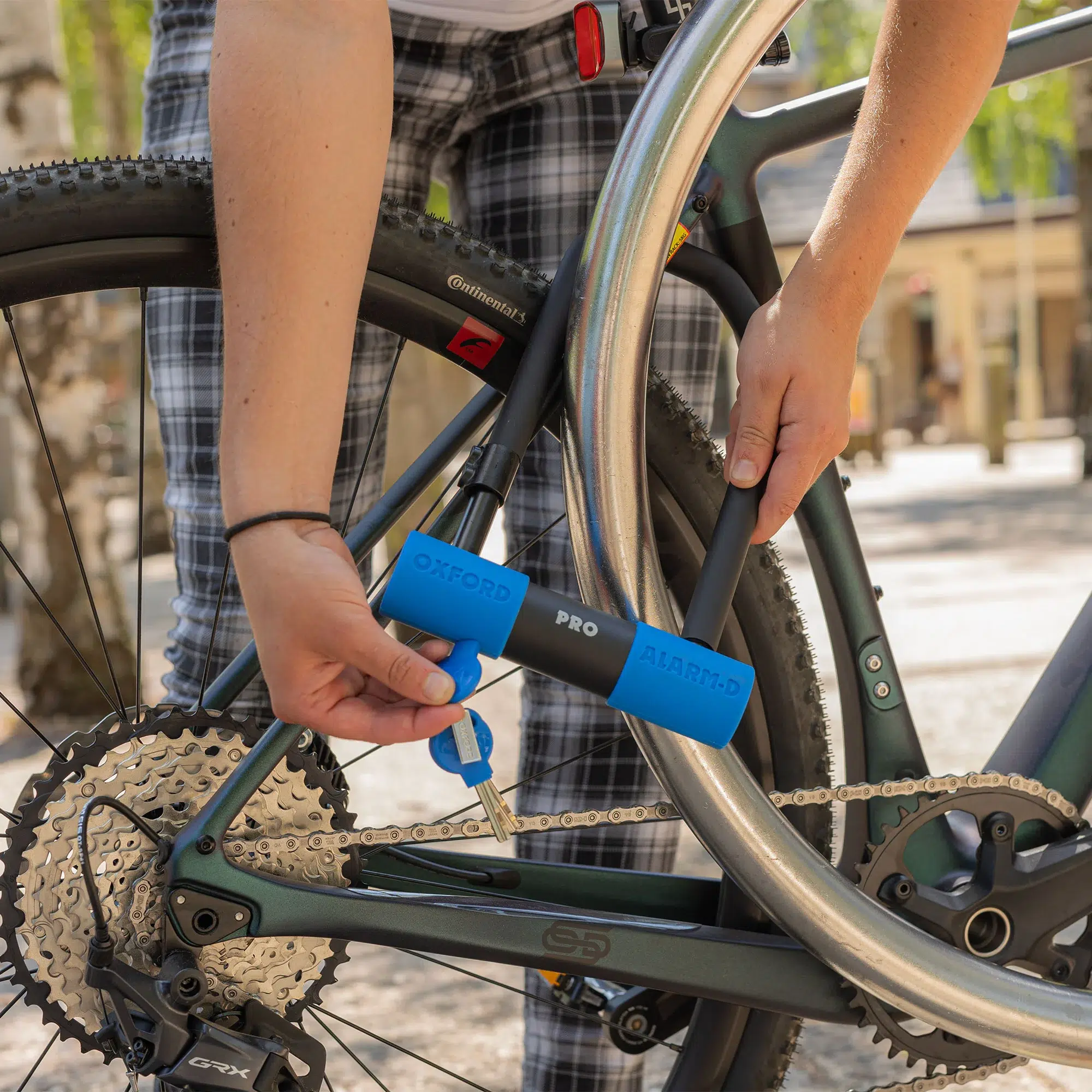
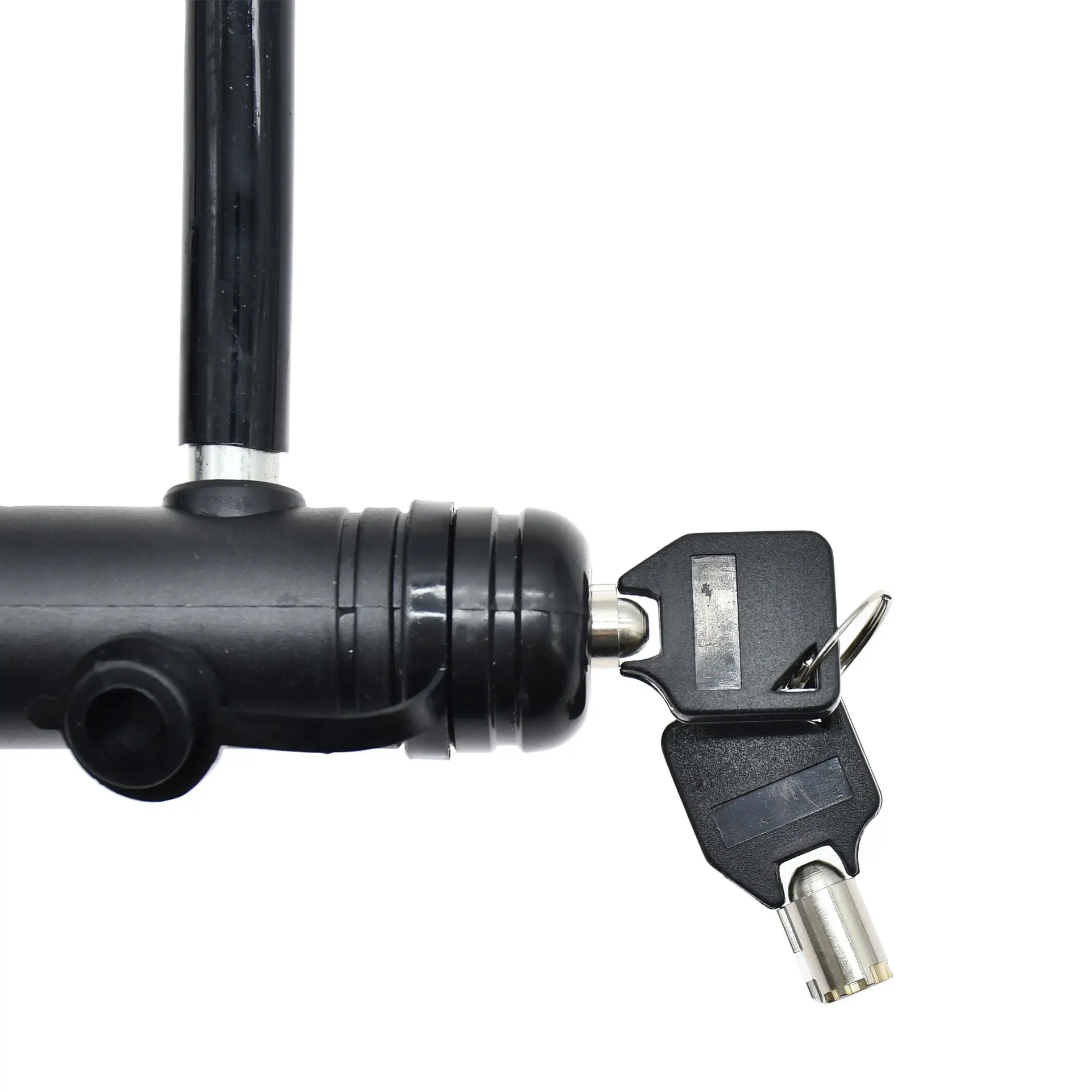
As e-bikes can be a target for theft, you might want to consider using a strong lock to deter would-be thieves, and maybe even a GPS tracker for added peace of mind.
A few tips for planning long-distance e-bike transport
If you’re planning on a cycling trip this summer, our top tip is exactly that – planning. No matter where you’re travelling to, planning how to best transport your bike is essential.
Before you book any travel, check the bike policy on the operator’s website – especially if you’re travelling by train, as bike spaces can book up quickly. Foldable e-bikes are typically better for travel because they are so easy to transport, and can be stored as luggage on many buses and trains. Remember that timing is everything – you might not be able to transport your bike at peak times, so plan your journeys accordingly.
For international travels, restrictions around lithium batteries will be your biggest challenge. We would recommend looking into local bike shops where you might be able to rent a bike battery or an electric bike, before you start plotting your trails.
If you’re planning a multi-day trip, consider this when you’re booking your accommodation. Not everywhere will offer safe bike storage or appropriate facilities for charging batteries overnight, so this will need to be factored in. Using tools like Google Maps can also help you to find charging stops, cycle routes and the local terrain before you travel.
As e-bikes are heavier than standard bikes, the vibrations from being transported can loosen bolts more quickly, so always keep a multi-tool to hand for regular checks – and pack spare brake pads and puncture repair kits for maintenance on the go.
Final thoughts on travelling with electric bikes in the UK
Although you will need to plan ahead, e-bikes can be incredibly travel friendly. With a little preparation, travelling with an electric bike is far less of a hassle than riders might expect. Just remember to check the rules and restrictions before booking your transport, with car journeys being the most electric bike-friendly mode of travel.
We offer a wide range of electric bikes that are perfect for taking on your next adventure, so whatever you’re looking for, we can help you find your ideal e-bike.