4.8 511 reviews
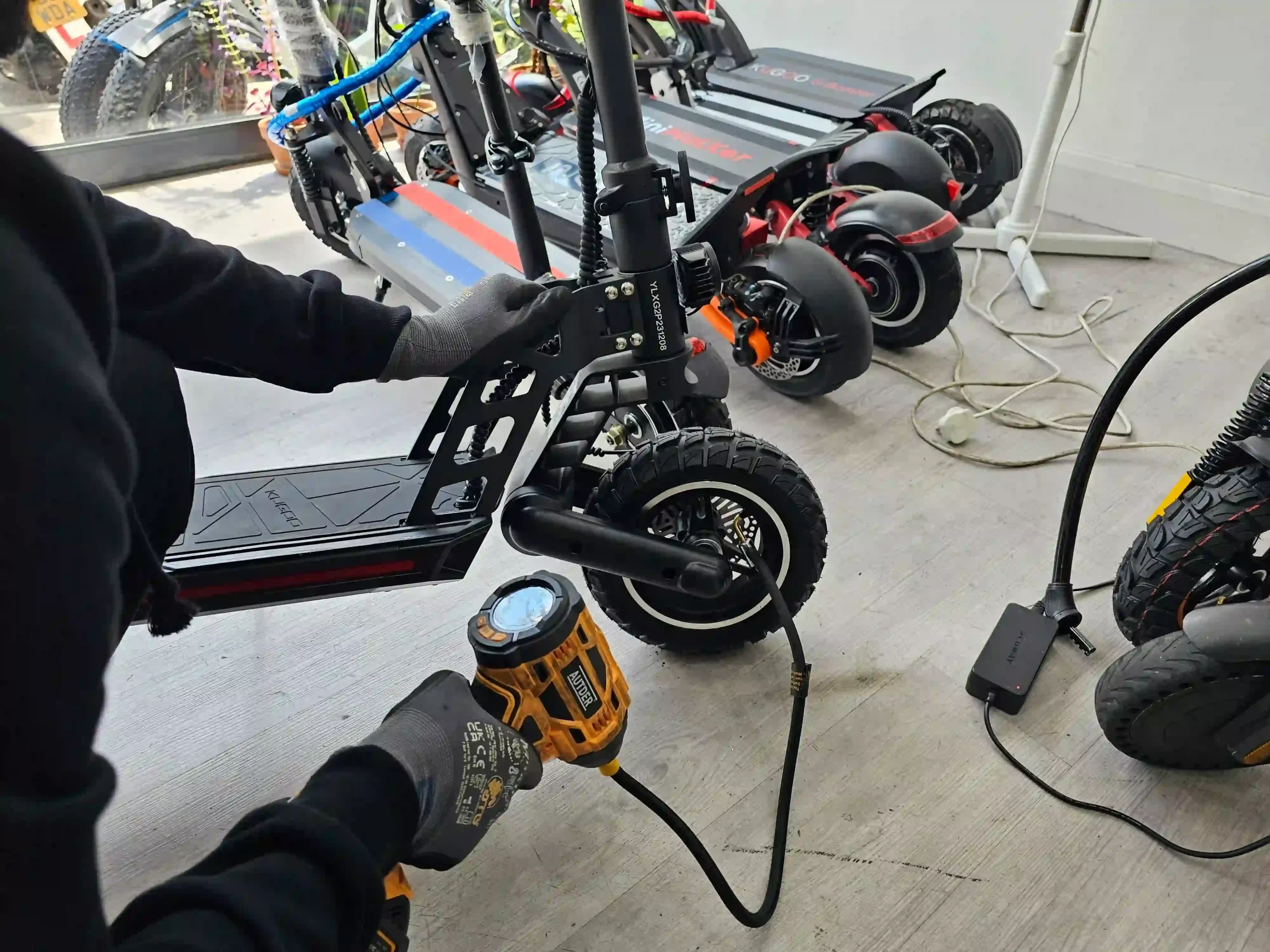
We are conveniently located near central London on the Kilburn High Road. We hold a variety of our stock on display and provide repair and service for any Model, Brand and Type of Electric Scooter and Bike
Under UK law, electric bikes fall into a category known as Electrically Assisted Pedal Cycles (EAPCs). To be classified as an EAPC, and therefore treated like a standard bicycle, your bike must meet a specific set of criteria set out by the Department for Transport.
These criteria are as follows:
Bikes that meet all of these conditions can be ridden on public roads, cycle lanes, and cycle paths without the need for a licence, registration, or insurance. Riders must be at least 14 years old.
If your bike falls outside these criteria, for example, if the motor exceeds 250W or provides power beyond 15.5 mph, it is classified as a moped or motorbike under UK law. That means it requires registration, insurance, a valid licence, and a helmet. Riding without these is a criminal offence.
The two most important technical limits to understand are the 250W motor cap and the 15.5 mph assisted speed limit. These define the boundary between a legal e-bike and a motor vehicle.
The 250W figure refers to the motor’s continuous rated output, not the peak output. Some motors can briefly exceed this during acceleration, which is generally acceptable, but the continuous rating must stay within the limit. When shopping for an e-bike, always check the motor specification carefully.
The 15.5 mph speed limit applies to the motor’s assistance only. You can still pedal beyond this speed under your own effort; the motor simply cuts out once you reach that threshold. This is why you’ll notice that all compliant e-bikes are capped at exactly 15.5 mph.
It’s worth noting that some e-bikes are sold with a “speed limiter” that can be removed or adjusted. Tampering with this to allow motor assistance beyond 15.5 mph makes the bike illegal for road use. This is sometimes called “de-restricting” and is not something to take lightly; the consequences are the same as riding an unregistered moped.

One of the main advantages of riding a compliant EAPC is the minimal red tape involved. Here’s a straightforward checklist:
While there’s no legal obligation to wear a helmet or hi-vis clothing, doing so dramatically reduces your risk of serious injury. Many insurers will also take this into account if you ever need to make a claim.
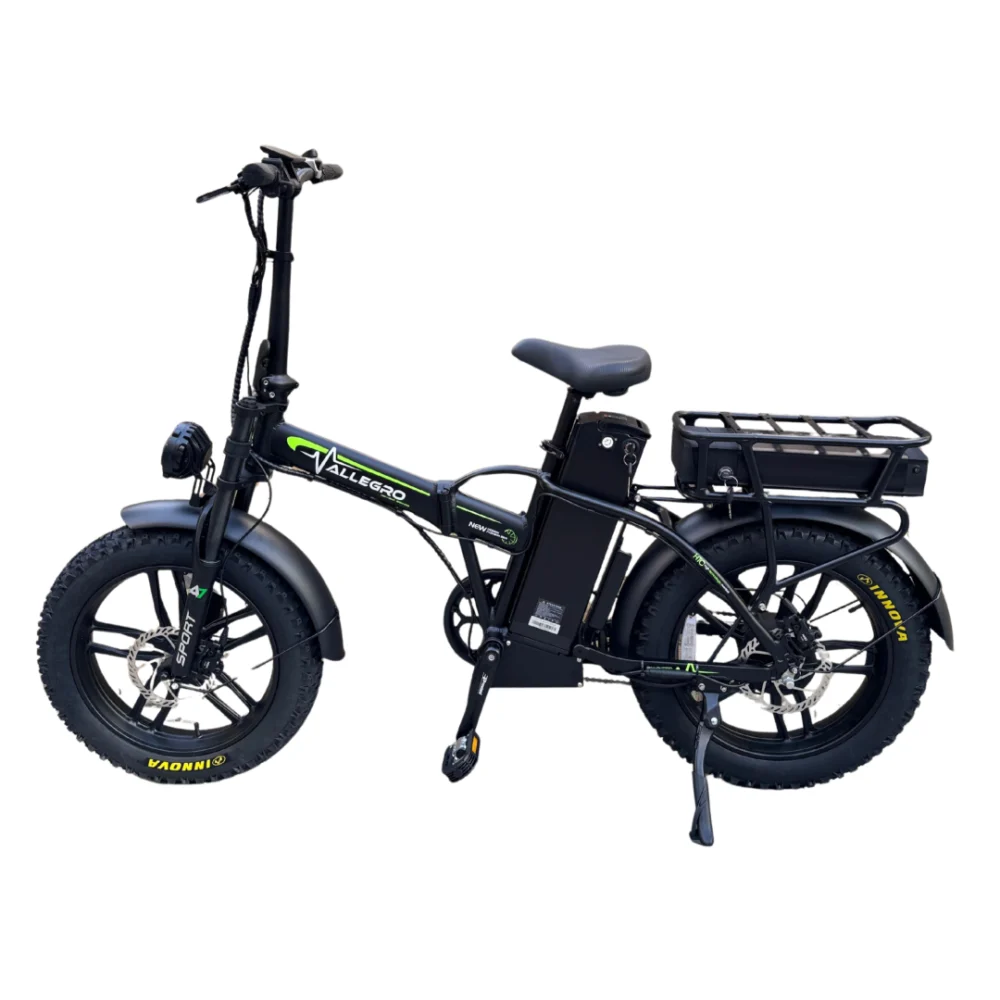
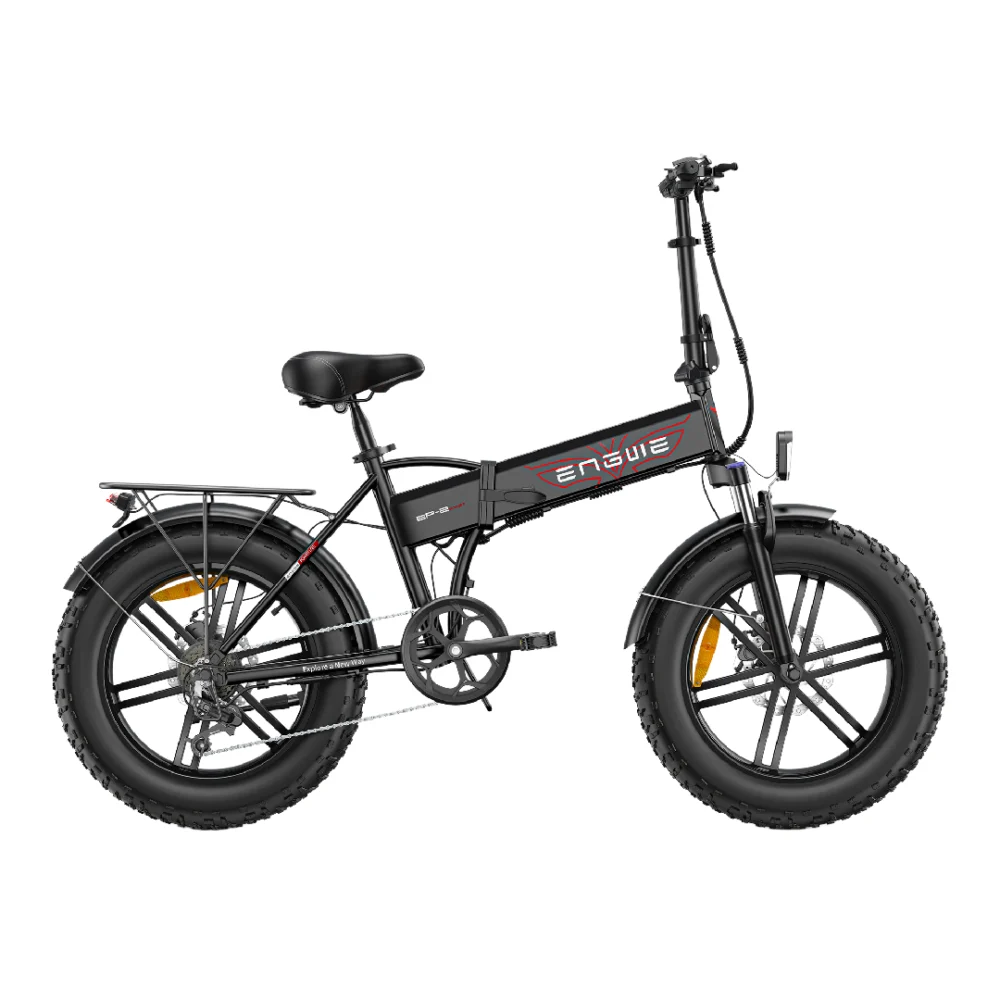
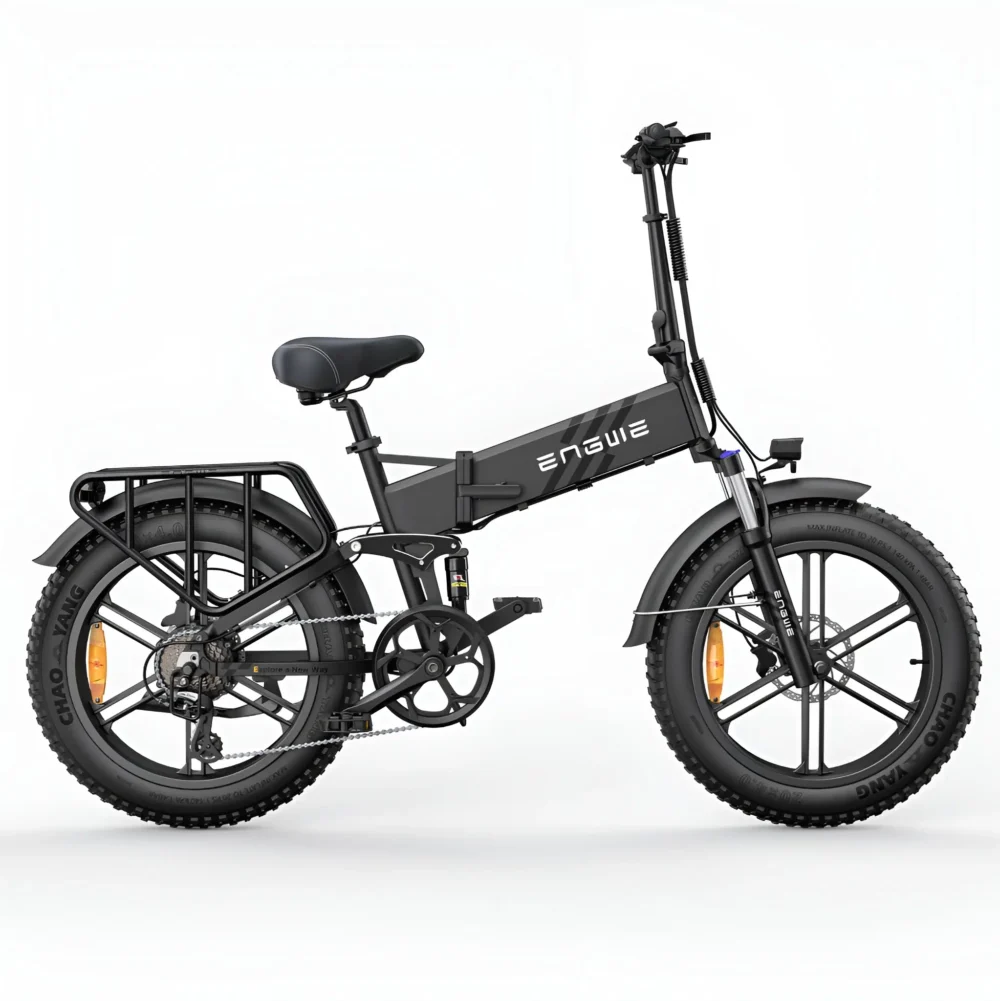
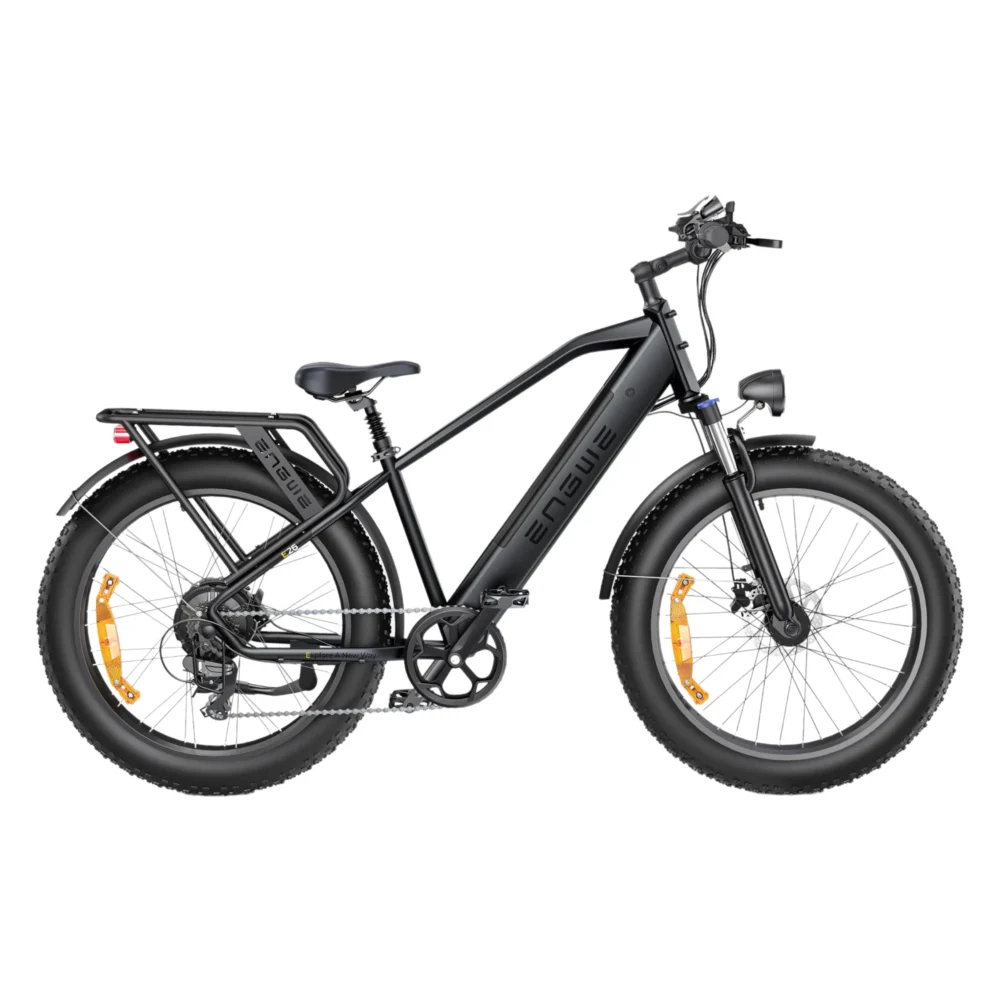
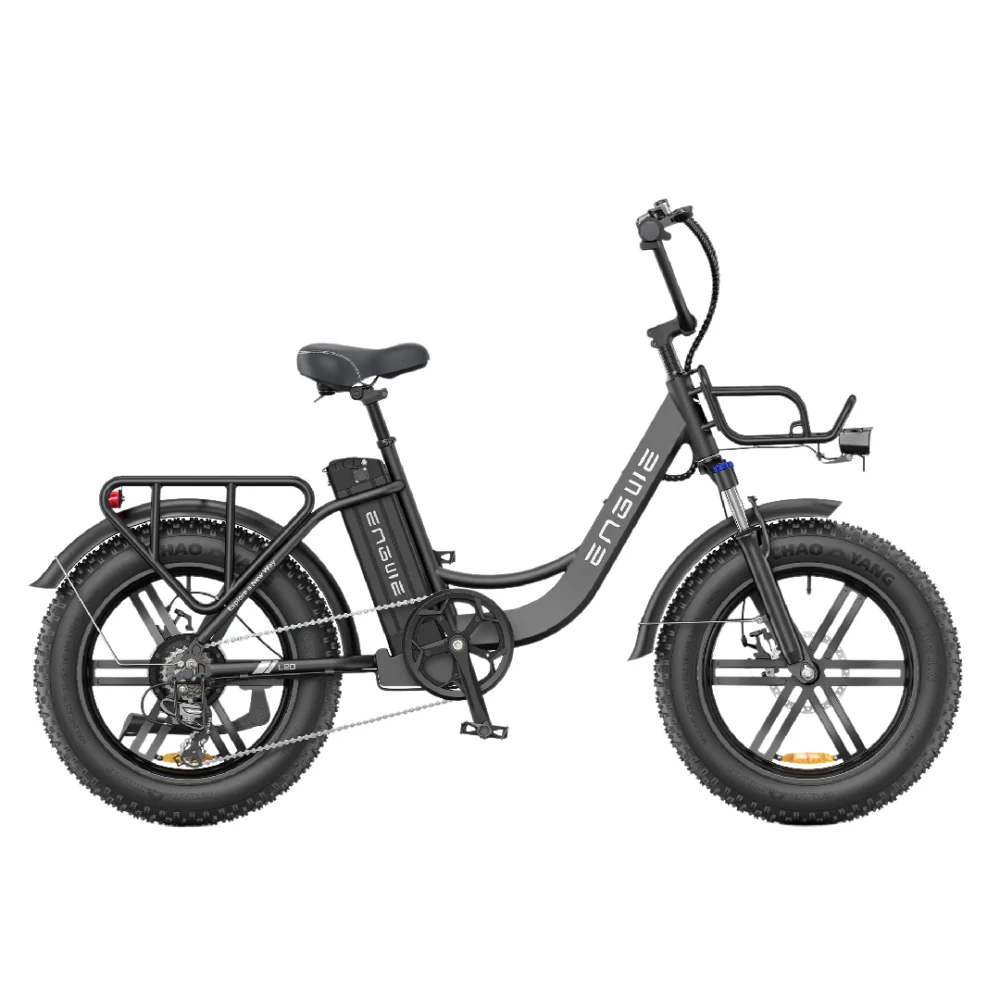
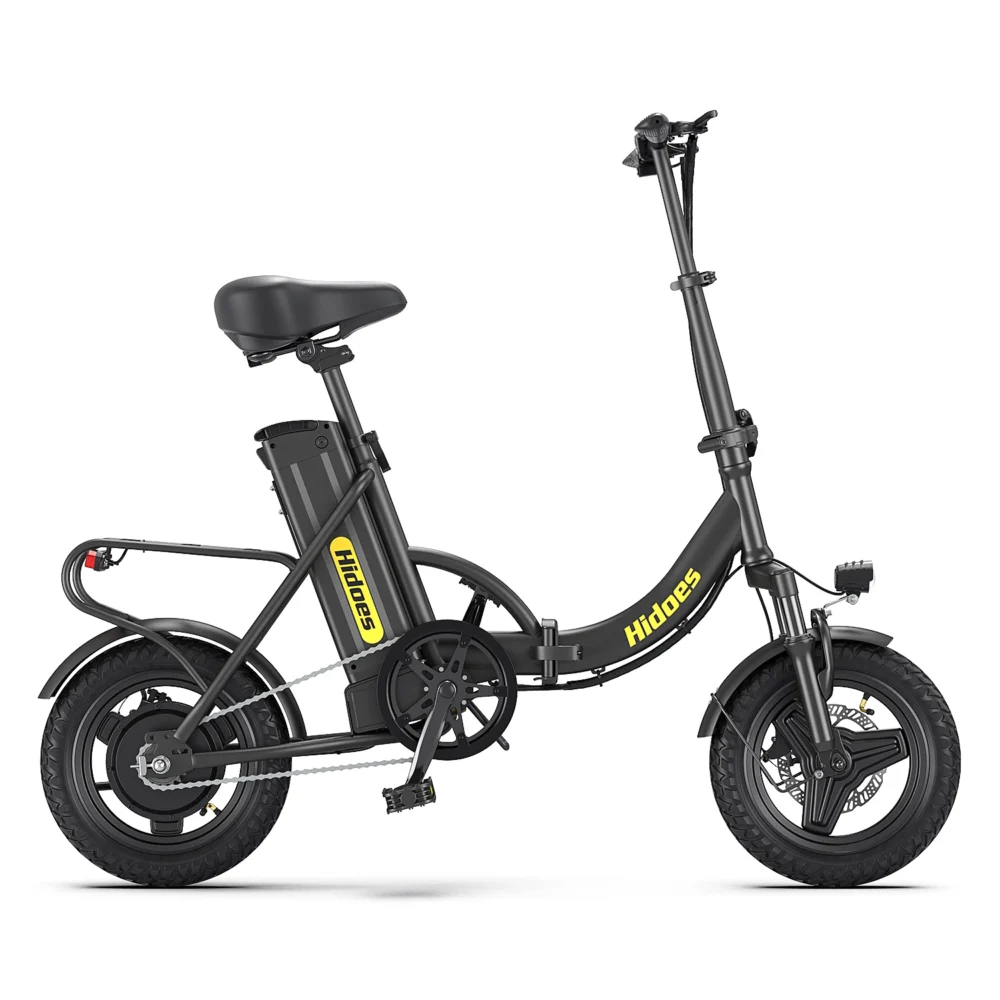
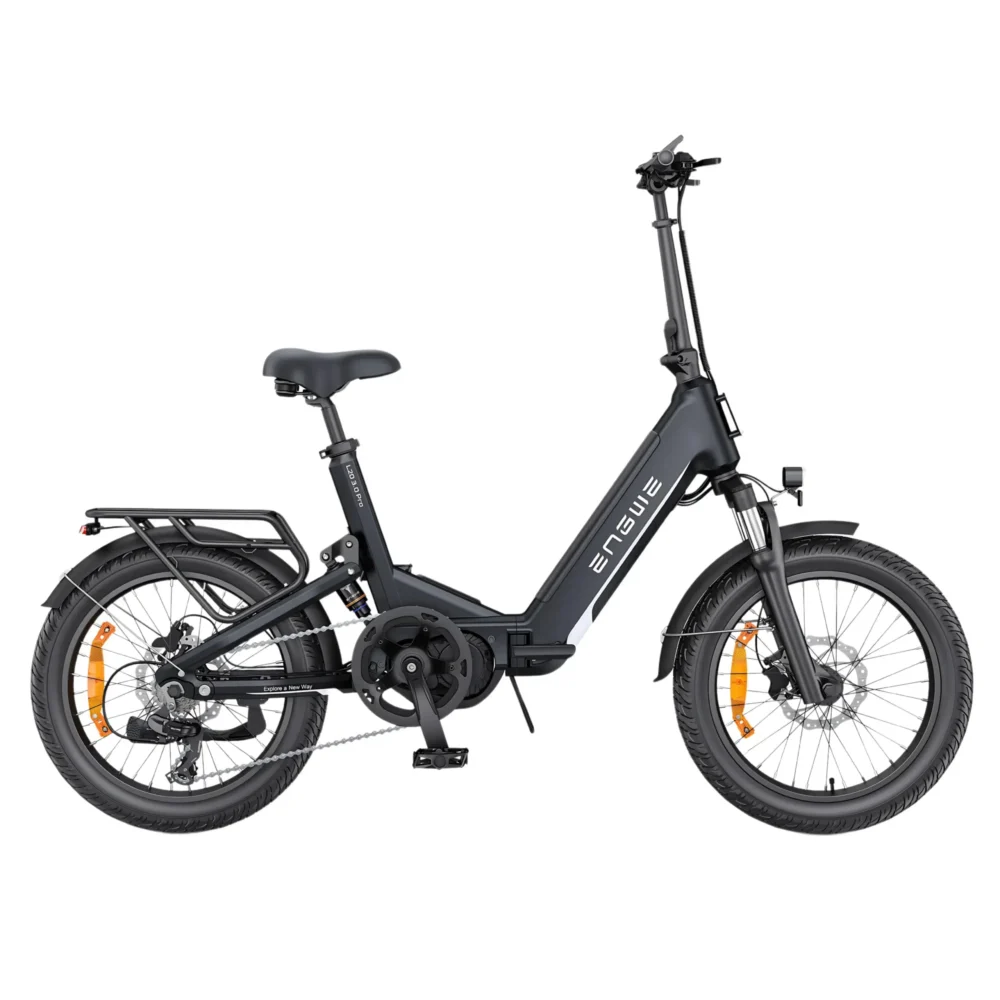
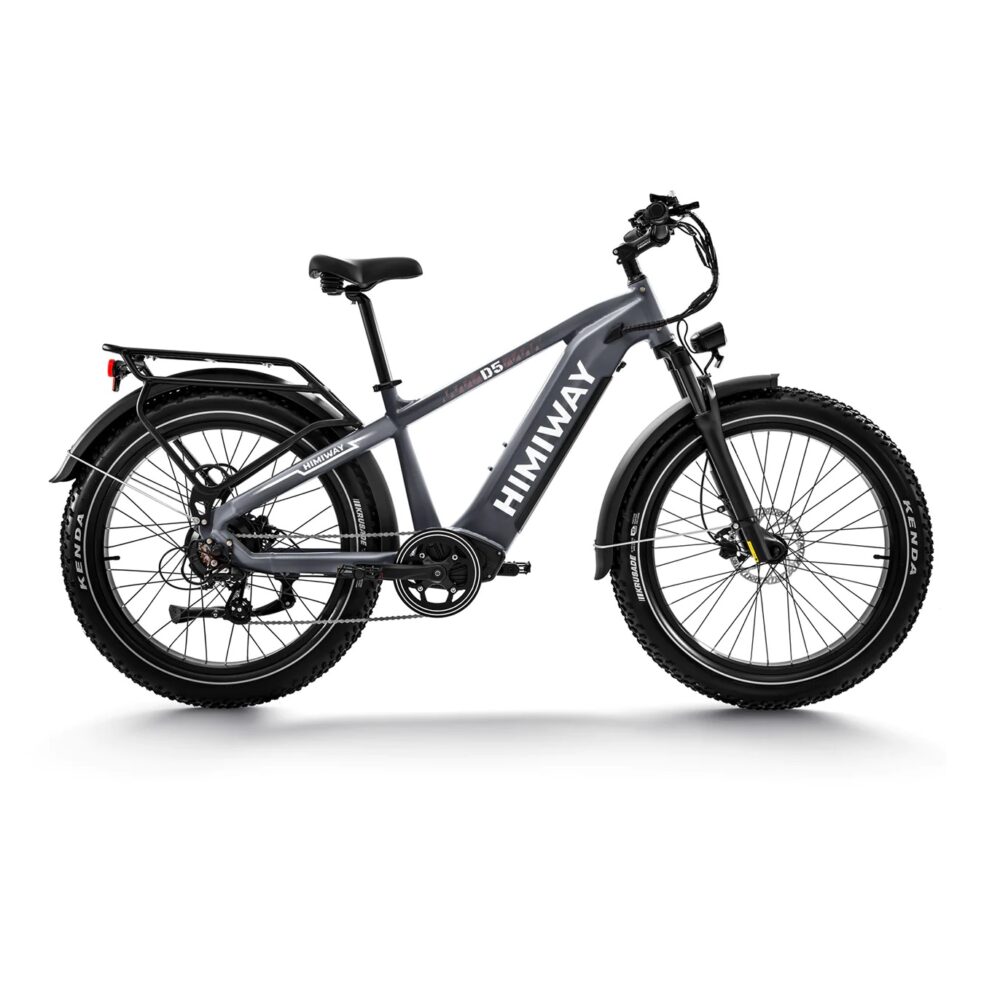
If you’re purchasing an e-bike, it should already be set up to meet electric bike regulations straight out of the box. All our road-legal bikes are compliant with UK standards, featuring 250W motors and speeds limited to 15.5 mph.
Riding an illegal e-bike, one that exceeds the motor power or speed limits, is treated as riding an unregistered motor vehicle. The penalties can be significant:
It’s also worth being aware that some e-bikes sold online, particularly from overseas retailers, are not configured for UK roads. Always buy from a trusted UK seller, like Rapid Scooter, who can confirm the bike meets EAPC standards before it reaches your door.
Understanding the rules is the first step. The next is finding a bike that ticks every box: legally compliant, well-built, and suited to how and where you plan to ride.
At Rapid Scooter, every road-legal electric bike in our range is fully compliant with UK law. There’s a bike for every type of rider, from daily commuters to weekend explorers. Browse our full road-legal range on our site or visit our London showroom to see the bikes in person.