





Leaving your bicycle unattended can be a stressful experience. You have invested good money into your daily commuter or weekend cruiser, and the thought of returning to an empty bike rack is enough to make anyone anxious. Unfortunately, opportunistic thieves are always on the lookout for an easy target.
The good news is that you can drastically reduce your risk by taking a few smart precautions. A thief wants a quick, quiet, and easy job. If you make your bicycle difficult and time-consuming to steal, they will simply move on to a less protected target. It all comes down to choosing the right gear and using it correctly every single time you park.
This guide will walk you through everything you need to know about bicycle security. We will cover the best gear to buy, exactly how to attach it to your frame, and the common errors that leave riders vulnerable. By the end of this post, you will have the knowledge to protect your two-wheeled investment with confidence.
Why Bike Security Matters in the UK
One of the issues that has been prevalent in various towns and cities is bicycle theft. There are thousands of stolen bicycles each year, and many more cases are not reported to the relevant authorities. This problem does not discriminate between daily commuters, recreational users, and delivery personnel.
In order to reduce the rate of bicycle theft, UK users must be proactive. Relying on a weak cable lock or expecting that nothing will happen to your bicycle is a sure way to disaster. Spending time learning the appropriate measures will allow you to have a good time without looking over your shoulder all the time. Having good security is like sending a message to the world that your property is highly guarded.
The Best Types of Bike Locks
Your security strategy is only as strong as the gear you use. There are several options on the market, each offering different levels of protection.
D-Locks (U-Locks)
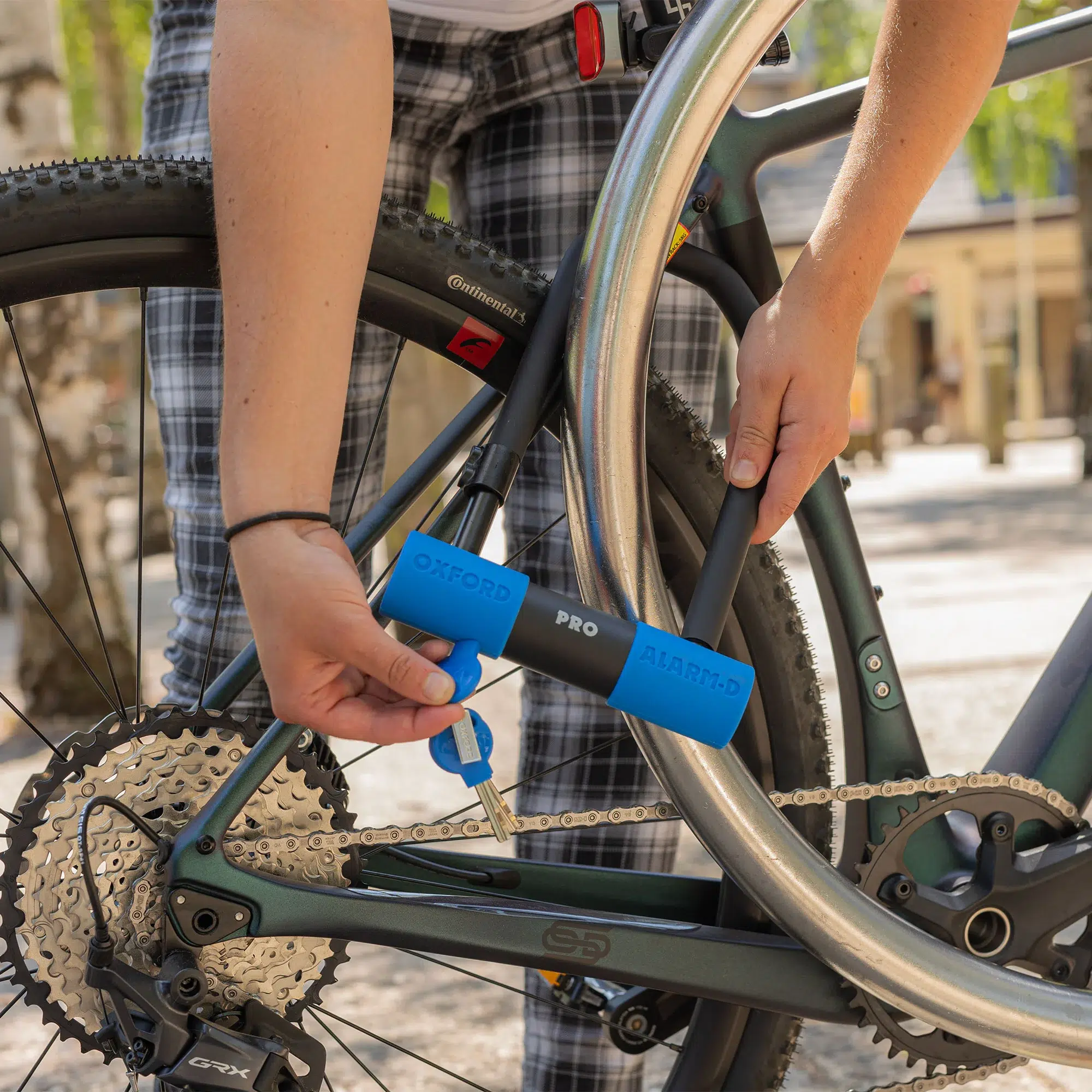
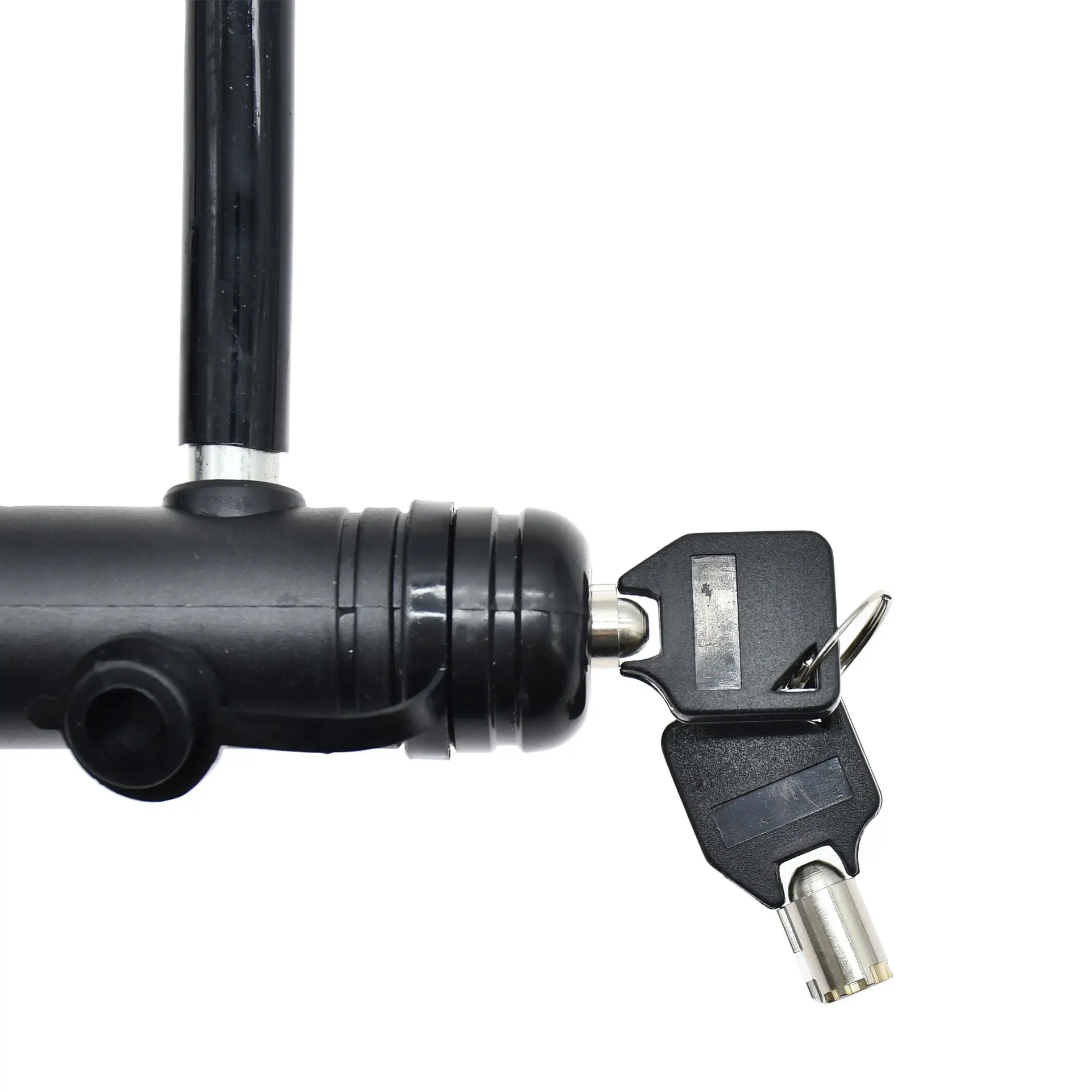
A solid D-lock is the gold standard for bicycle security. Made from hardened steel, these rigid metal rings resist bolt cutters, hammers, and saws. When choosing a D-lock, look for models with a high security rating (such as Sold Secure Gold or Diamond). Smaller D-locks are often better because they leave less room for a thief to insert a leverage tool like a crowbar.
Heavy-Duty Chain Locks
Chain locks offer excellent flexibility, allowing you to secure your frame to awkward or bulky objects. High-quality chains feature thick, hardened steel links covered by a protective fabric sleeve to prevent scratching your paintwork. They are very secure but can be exceptionally heavy, making them better suited for stationary use, such as at your workplace or home.
Cable Locks
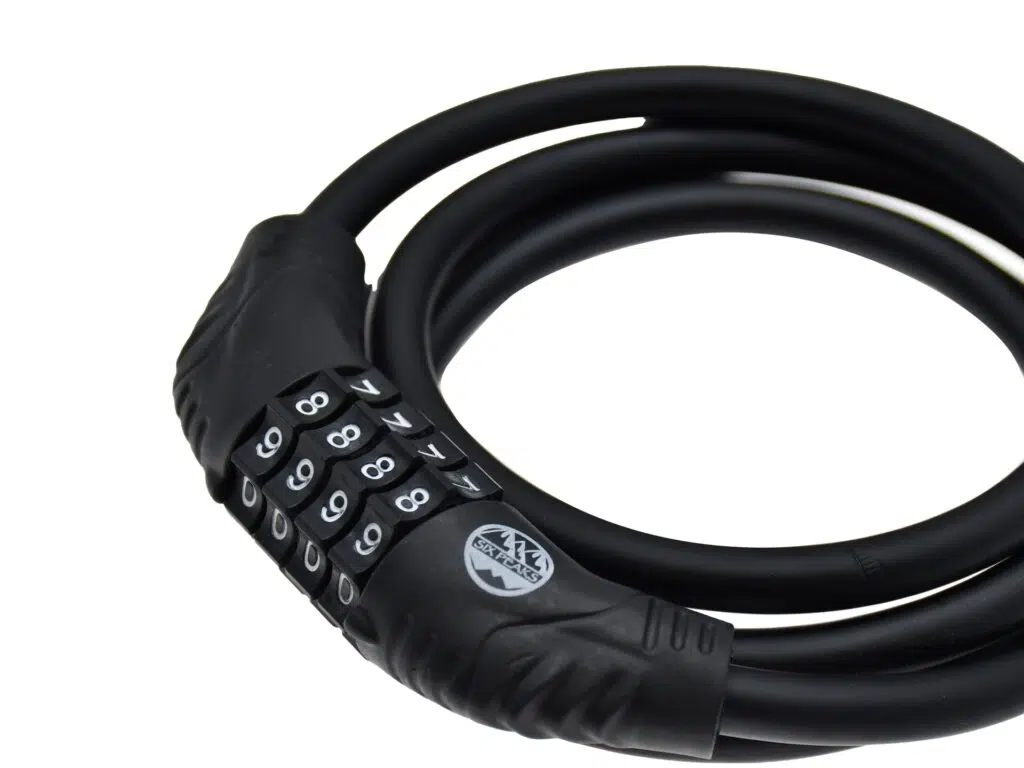
Cables are lightweight and easy to carry, but they offer minimal protection. A cheap pair of hand-held wire cutters can slice through a basic cable in seconds. You should never use a cable as your primary security device. Instead, use them alongside a D-lock to secure quick-release wheels and saddles.
Step-by-Step: How to Lock Your Bike Correctly
Having a strong D-lock is pointless if you do not attach it properly. The best bike lock method involves securing the most valuable parts of your bicycle to an immovable object.
Step 1: Position your bicycle. Place your frame against a sturdy, immovable object like a cemented metal rack.
Step 2: Secure the rear wheel and frame. Feed your primary D-lock through the rear triangle of your frame, through the rear wheel, and around the stationary object. The rear wheel is the most expensive wheel to replace because of the gears, so it must be protected.
Step 3: Secure the front wheel. Use a secondary mechanism, such as a sturdy cable or a smaller chain, to secure your front wheel. Loop it through the front wheel, the frame, and your primary D-lock.
Step 4: Position the keyhole. Face the keyhole of your D-lock downwards. This makes it much harder for a thief to pour corrosive liquids inside or pick the mechanism. Furthermore, keep the D-lock as high off the ground as possible to prevent thieves from using the floor for leverage to smash the metal.
Where to Lock Your Bike Safely
Location is a crucial factor in bicycle security. When locking up bike models in public spaces, always choose busy, well-lit areas with plenty of foot traffic. Thieves prefer to operate in dark, quiet alleys where nobody can see or hear them using power tools.
Always check what you are attaching your frame to. A thief can easily lift your bicycle over a short wooden post or cut through a rusty chain-link fence. Stick to solid metal racks that are firmly cemented into the pavement. Give the rack a quick shake before walking away to ensure it has not been tampered with or cut beforehand.
Common Bike Locking Mistakes
Even experienced riders can slip up when they are in a rush. Keep these bike locking tips in mind to avoid common pitfalls:
- Locking only the front wheel: If you only secure the front tyre, a thief will simply detach the quick-release lever, leave your front wheel behind, and walk away with the rest of your bicycle.
- Leaving too much slack: If your D-lock or chain hangs loosely, thieves have plenty of room to insert bolt cutters or hydraulic jacks. Keep the fit as tight as possible.
- Using a cheap lock on an expensive bicycle: Security experts recommend spending around 10% of your bicycle’s value on your security gear. A £10 cable is not enough to protect a £1,000 commuter.
Extra Security Tips for Electric Bikes
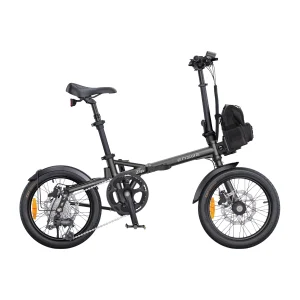
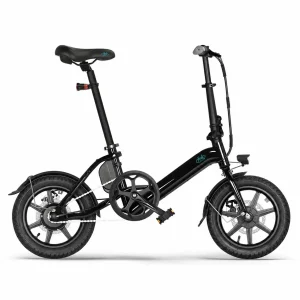
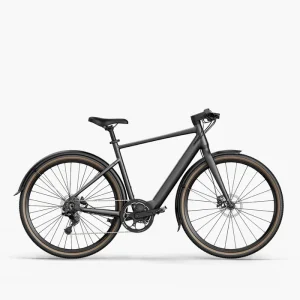
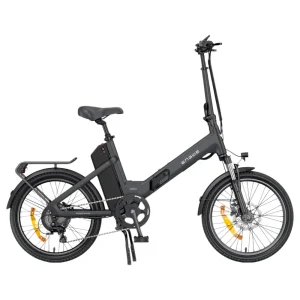
E-bikes are heavier, faster, and significantly more valuable than standard bicycles. Because of their high retail price, they are highly targeted by organised criminals. If you need to secure electric bike models, you must take a few extra precautions.
First, always remove the battery and take it with you if possible. The battery is one of the most expensive components, and an e-bike is much less appealing to steal without it. Second, invest in a GPS tracker. Many modern e-bikes have space to hide a small tracking device, allowing you to trace your property from your smartphone if the worst happens. Finally, consider using two heavy-duty locks of different types (for example, one D-lock and one thick chain). Thieves often carry tools suited for a specific type of metal, and facing two different mechanisms will usually make them give up entirely.
Keep Your Two Wheels Safe and Sound
Protecting your bicycle does not have to be a complicated process. By investing in a high-quality D-lock, choosing sensible parking locations, and following the correct fastening methods, you can confidently leave your ride unattended. Consistency is key. Make sure you apply these security practices every single time you park, even if you are just popping into a shop for two minutes.
If you are looking to upgrade your commute, explore the fantastic range of e-bikes and accessories at Rapid Scooter. With the right ride and the right security setup, you will be ready to tackle the city streets with total peace of mind.
-
Sale!

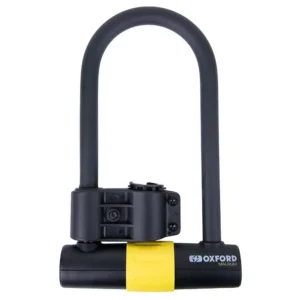
Oxford Magnum U-lock (177x270mm) with Bracket
£59.99Original price was: £59.99.£54.99Current price is: £54.99. View This Product -
Sale!
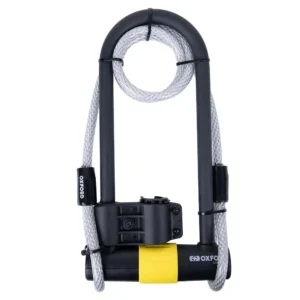
Oxford Magnum Duo U-lock (177x340mm) with Bracket & Cable
£64.99Original price was: £64.99.£59.99Current price is: £59.99. View This Product This product has multiple variants. The options may be chosen on the product page -
Sale!
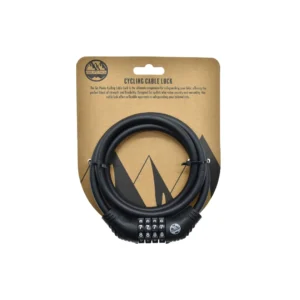
Six Peaks Cycling Cable Lock
£22.99Original price was: £22.99.£14.99Current price is: £14.99. View This Product -
Sale!
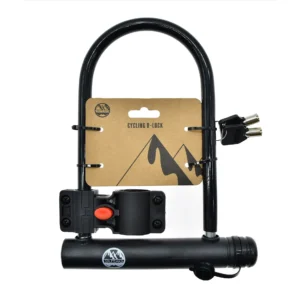
Six Peaks Cycling D-Lock
£29.99Original price was: £29.99.£20.99Current price is: £20.99. View This Product